0%

An Aluminium Entry Door can shape a building’s first impression, but appearance is only part of the decision. The right supplier should provide clear specifications, reliable production details, and support that continues beyond delivery. Compare frame construction, thermal performance, weather seals, glazing options, finishes, and hardware. A smooth sample finish looks appealing under showroom lights; its durability and color consistency matter more over years of daily use.

This guide examines leading suppliers through practical criteria rather than brand recognition alone. Look for documented test results, transparent warranty terms, realistic lead times, customization options, and examples of completed projects. Ask how the door is measured, packaged, and supported if installation questions arise. Coastal homes may need finishes suited to salt exposure, while busy entrances benefit from durable hardware and easy maintenance. Details matter. Even strong product specifications cannot guarantee a good experience if communication or after-sales service falls short. No comparison is perfect. Supplier claims should be checked against current product documents and project requirements, since ranges and specifications can change. This overview is a starting point, not a substitute for confirming dimensions, performance needs, and local installation conditions. The best choice is the supplier whose evidence, product options, and service match the demands of your particular entrance.
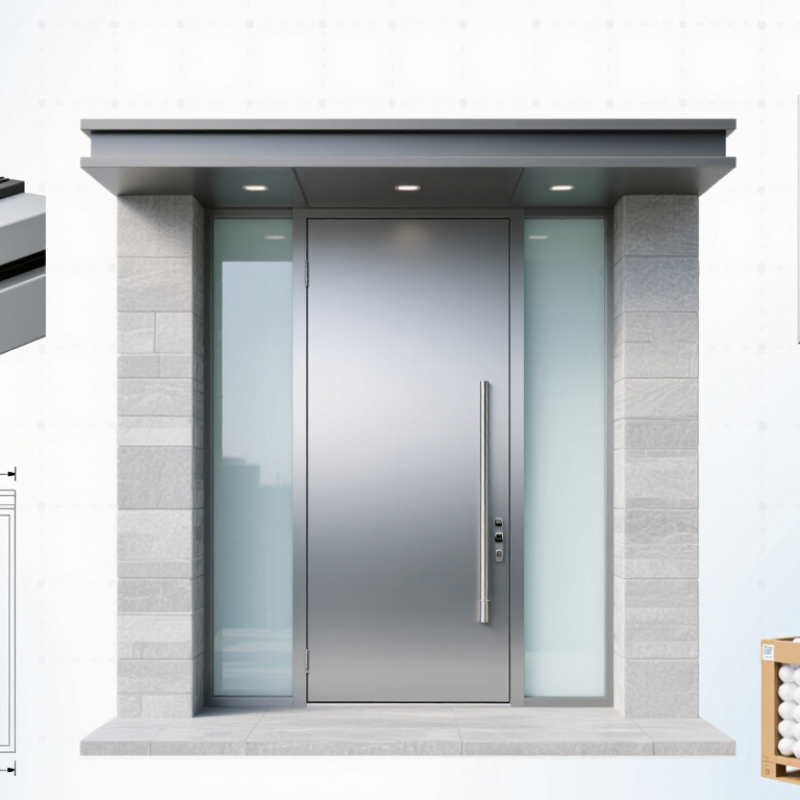
What Are the Top Aluminium Entry Door Suppliers?

What Defines an Aluminium Entry Door Supplier and Its Product Range?

An aluminium entry door supplier does more than sell a finished door. It designs, sources, fabricates, and supports entrance systems for homes, offices, and commercial properties. Reliable suppliers explain alloy grades, frame thickness, thermal breaks, drainage, and hardware options in clear language. They also provide drawings, measured quotations, installation guidance, and warranty terms. Vague specifications should raise questions.

A practical product range may include single doors, double doors, pivot designs, glazed panels, and insulated entrance systems. Finishes can include powder coating, anodising, textured surfaces, and custom colours. Glass choices may involve clear, frosted, laminated, or low-emissivity panels. Experienced suppliers match these features with local weather, building use, security needs, and expected traffic.

A showroom sample helps, but it cannot replace careful site measurement. Small fitting errors can cause drafts, water entry, or uneven closing. I have found that honest suppliers mention these risks instead of promising perfection.

Tips: Ask for a sectional drawing and written performance data. Check air, water, and wind ratings where relevant. Confirm who handles installation adjustments. Compare frame depth, glazing details, hardware quality, lead time, and after-sales support—not only the quoted price. Request references for similar projects, preferably with photos taken after installation. A dependable supplier welcomes practical questions and admits when a standard model needs modification.

How 2.70 g/cm³ Aluminum Density Influences Door Weight and Design

When comparing top aluminium entry door suppliers, density deserves more attention than glossy finishes. At 2.70 g/cm³, aluminium weighs about one-third as much as steel by volume. This difference affects installation, hinge selection, and daily operation. A 1 m² aluminium sheet, 3 mm thick, weighs roughly 8.1 kg before framing. It is a useful field estimate. Actual doors weigh more.

Frames, thermal cores, glass, locks, and weather seals can add substantial mass. Reliable suppliers should provide profile thickness, complete door weight, load calculations, and verified test data. Ask whether the quoted weight includes hardware and glazing. Experienced installers calculate the full sash weight, not only the aluminium profile. This detail often exposes unrealistic sales estimates.

Lower weight allows wider openings and reduces stress on hinges, walls, and fixing points. However, thinner aluminium is not automatically better. A lightweight frame may flex, transmit noise, or feel less secure if its design is poor. Thermal breaks can improve comfort, but they also change the frame’s structure and cost. I have seen projects where the initial weight estimate ignored glass, creating difficult adjustments during installation. My own calculation would also need revision when oversized panels or decorative inserts are added. A dependable supplier explains these compromises clearly, uses corrosion-resistant finishes, and recommends hinges based on measured door weight. The best design balances density, strength, insulation, and long-term serviceability.

Which Top Suppliers Offer Thermal-Break Frames and NFRC U-Factor Data?

When comparing aluminium entry door suppliers, look beyond frame thickness and finish samples. A thermal break is a low-conductivity barrier between the frame’s inner and outer aluminium sections. It helps limit heat flow through the metal, but the label alone does not prove strong whole-door performance. Ask for the tested assembly’s NFRC U-factor, including its glazing, frame, and door configuration. Lower U-factor means less heat transfer.

The National Fenestration Rating Council’s Certified Products Directory lists independently rated products and their performance values. Check that a supplier’s data refers to the exact model and size you plan to buy, not a similar display unit. NFRC ratings use standardized testing, which makes comparisons more useful than unverified marketing claims. Still, installation details matter. A neat sample frame cannot show whether the installed sill will leak air or collect water.

Request the rating report, thermal-break section drawing, and installation instructions before comparing quotes. A supplier that provides all three makes verification easier. Look closely at corner joints and the threshold; these small details can affect real-world comfort. I would not treat one U-factor as the whole story. It says little about workmanship or site conditions. The paperwork is useful, but it cannot inspect your opening.

How ASTM E283 Air-Leakage Tests Compare Complete Door Systems

What Are the Top Aluminium Entry Door Suppliers?
How ASTM E283 Air-Leakage Tests Compare Complete Door Systems

An aluminium entry door performs as a system, not just as a metal panel. Its frame, weatherstripping, threshold, corners, glazing, and hardware all affect air leakage. ASTM E283 measures airflow through a specimen under a stated pressure difference. Results are commonly reported as cubic feet per minute per square foot of door area. Check the test pressure, specimen size, and reported units before comparing supplier data. A lower number indicates less measured leakage under those specific conditions.

Look for reports covering the complete door assembly, rather than a panel or isolated seal. ASTM E283 is a laboratory test; it does not predict every installed door’s performance or assess water penetration. Installation quality matters. A slightly uneven threshold can leave a visible gap beneath the door. The U.S. Energy Information Administration’s 2020 Residential Energy Consumption Survey estimates that space heating accounted for about 42% of household site energy use. That figure is not door-specific, but it shows why uncontrolled drafts deserve attention. Compare test results alongside frame details and installation requirements, while remembering that a lab result is useful evidence—not a guarantee of field performance.

What Are the Top Aluminium Entry Door Suppliers?

How ASTM E283 Air-Leakage Tests Compare Complete Door Systems

ASTM E283 evaluates air leakage through a complete installed door assembly, including the leaf, frame, seals, glazing, and hardware. The chart shows pressure-difference reference points and their exact conversion from pascals to pounds per square foot. ASTM E283 does not rank suppliers or establish one universal pass/fail limit; meaningful comparisons require the same test pressure, specimen size, reporting unit, and complete-system configuration.

What Warranty, Certification, and Service Metrics Distinguish Suppliers?

When comparing aluminium entry door suppliers, read the warranty line by line, not just its headline term. A useful document identifies covered components, labor, claim steps, and response times. Check exclusions for coastal salt, finish fading, hardware wear, and installation errors. Ask whether removal, replacement shipping, and on-site repairs are included. A ten-year frame warranty may sound reassuring, but offer little help if the lock fails after two winters. Details matter.

For certification, request current, independent test reports for the exact door configuration, including its glass, hardware, and threshold. Check that test methods and ratings suit your climate and project requirements; a certificate for a different model proves little. Useful service measures include confirmed lead times, first-response targets, parts availability, and average claim-resolution time. Ask for these figures in writing. Then ask what happens when a shipment is delayed or a finish arrives scratched. Small issues reveal a lot. Supplier averages can be useful, though they may hide slow cases. I would compare the exceptions, too, and check whether installation support is included or billed separately.

FAQS

What should a reliable aluminium entry door supplier provide?

A reliable supplier explains alloy grades, frame depth, thermal breaks, drainage, and hardware options. Clear paperwork matters. Ask for drawings, measured quotations, installation guidance, and warranty terms.

Which aluminium entry door designs are commonly available?

Common options include single doors, double doors, pivot doors, glazed panels, and insulated entrance systems. Finishes may include powder coating, anodising, textures, and custom colours. Glass can be clear, frosted, laminated, or low-emissivity.

How can I judge thermal performance?

Ask for the tested whole-door U-factor, not only the frame value. The result should include the frame, glass, and exact door configuration. Lower values usually mean less heat transfer. One number is not enough.

What does a thermal break do?

A thermal break separates inner and outer aluminium sections with a low-conductivity barrier. It helps reduce heat flow through the frame. However, it cannot fix poor glazing, weak seals, or careless installation.

What should air-leakage test information include?

Request results for the complete door assembly. The report should show test pressure, specimen size, measured units, and leakage value. Lower leakage is generally better under those test conditions. Laboratory evidence is useful, not magic.

Why does complete door installation matter?

A door works as a system. Frames, seals, thresholds, corners, glass, and hardware all affect performance. A slightly uneven threshold can create a visible gap beneath the door. Small errors can invite drafts or water.

What should I check before comparing supplier quotations?

Compare frame depth, glazing details, hardware quality, drainage, lead time, and after-sales support. Check installation responsibilities and adjustment procedures. Request project references with post-installation photographs. The cheapest quote may not be the cheapest result.

How can I avoid measurement and fitting problems?

Request a site measurement and sectional drawing before production. Confirm the opening size, sill condition, wall alignment, and drainage path. A showroom sample helps, but it cannot inspect your opening. I would leave room for doubt.

Conclusion

Choosing an Aluminium Entry Door supplier involves more than comparing styles. A dependable supplier should offer a clear range of door configurations, frame options, finishes, glazing, and hardware, along with practical guidance for matching the door to the building. Aluminum’s density of about 2.70 g/cm³ helps explain why it can provide a strong frame without the weight of many alternative materials, supporting varied designs while keeping handling and installation considerations in view.

For energy performance, compare suppliers’ thermal-break frame options and request NFRC U-factor data for the complete door assembly, not just individual components. Air infiltration results from ASTM E283 testing can also help distinguish systems, provided the test details and configuration are clearly stated. Review warranty coverage, relevant product certifications, replacement-part availability, and responsiveness of technical support. Together, these measures give buyers a more balanced way to assess durability, comfort, and long-term service rather than relying on appearance alone.

Olivia

Olivia

Olivia is a professional marketing specialist who helps make the company’s products and expertise clear, useful, and accessible to customers. With a strong understanding of the product range, she turns technical details and practical benefits into engaging information that supports confident......