What Makes Thermal Break Aluminum Windows the Preferred Choice for Modern Architecture?
To understand why international developers, facade consultants, and general contractors specify Thermal Break Aluminum Windows over standard non-thermal profile systems, one must analyze the underlying thermodynamics and structural engineering.
Aluminum is widely celebrated for its strength-to-weight ratio, structural longevity, non-combustibility, and architectural sleekness. However, raw aluminum exhibits a high thermal conductivity rate (approximately 160 to 200 W/m·K). In cold winter environments or scorching coastal summer conditions, non-thermal aluminum frames act as thermal bridges—transferring interior energy directly outdoors, driving up HVAC loads, and causing surface condensation that ruins interior wall finishes.
Thermal Break Aluminum Windows overcome this physical limitation by structurally separating the exterior and interior aluminum profiles using a low-conductivity thermal barrier material—typically Polyamide PA66 reinforced with 25% fiberglass (PA66 GF25). With a thermal conductivity rate of only ~0.3 W/m·K, PA66 GF25 effectively breaks the heat transmission pathway.
At Grandor Door Industry Co., Ltd., our engineering team integrates multi-chambered polyamide strips up to 34mm wide, filled with expanded polyolefin insulation foams. Combined with double or triple insulated glass units (IGUs) containing Low-Emissivity (Low-E) coatings and argon gas fill, Grandor thermal break systems achieve overall frame-and-glass U-values as low as 0.8 to 1.4 W/m²·K, meeting Passive House and net-zero carbon operational guidelines.
& Glass Production
1. Polyamide PA66 GF25 Strips
Engineered to match the exact thermal expansion coefficient of 6063-T6 architectural aluminum alloy. This prevents frame warping, structural shear failure, or seal degradation under extreme ambient temperature shifts (-40°C to +80°C).
2. Multi-Chamber Pressure Seals
Integrated continuous EPDM rubber gaskets utilizing co-extruded dual-durometer materials. Ensures air infiltration rates below 0.1 CFM/ft² (ASTM E283) and water tightness up to 750 Pa (ASTM E547).
3. Acoustic Noise Decoupling
Beyond thermal performance, the mechanical disruption of the solid aluminum profile reduces outdoor airborne sound transmission, delivering Sound Transmission Class (STC) ratings up to 45 dB when paired with acoustic laminated glazing.
| Performance Metric | Standard Non-Thermal Aluminum | Grandor Thermal Break Aluminum Windows | Impact on Building Performance |
|---|---|---|---|
| Overall System U-Factor | 3.8 - 5.5 W/m²·K | 0.8 - 1.5 W/m²·K | Up to 65% reduction in annual HVAC energy consumption. |
| Condensation Resistance Index (CR) | Low (< 25) - High Risk | High (> 68) - Zero Condensation | Prevents indoor mold growth and protects wall drywall/plaster. |
| Wind Load Resistance | 1.5 kPa - 2.5 kPa | 3.0 kPa - 6.0 kPa (Serviceability) | Capable of withstanding Category 5 hurricane wind loads. |
| Acoustic Isolation (STC) | 24 - 28 dB | 38 - 46 dB | Ideal for urban luxury developments and hotel projects. |
| Frame Color Flexibility | Single Finish Interior/Exterior | Dual-Color Anodizing / Powder Coating | Allows interior decor matching independently from exterior facade.
Engineered Thermal Break Aluminum Window Systems for Global Procurement
Grandor Door Industry Co., Ltd. designs and manufactures a comprehensive portfolio of architectural window configurations tailored for commercial, residential, and industrial applications worldwide.
Thermal Break Casement Windows
Designed with heavy-duty multi-point compression locking hardware for maximum air-tightness and water tightness. Opens outward or inward for optimal ventilation control.
- Frame Depth: 65mm, 75mm, 90mm options
- Multi-chamber PA66 thermal barrier strip
- Double/Triple Low-E insulated glass units
- Stainless steel 304 friction hinges & multi-point locks
Thermal Break Tilt and Turn Windows
The ultimate European architectural standard. Dual-action hardware allows inward tilting from the top for secure draft-free micro-ventilation, or full inward swing for effortless cleaning.
- German Siegenia / Hoppe precision hardware
- Triple-gasket perimeter sealing system
- Burglar resistance class up to RC2 / RC3
- Concealed hinge options for flush aesthetics
Thermal Break Sliding Windows
Engineered for large glass spans and space-saving horizontal operation. Heavy-duty stainless steel track rollers ensure quiet glide cycles even with heavy triple-pane glazing.
- Slim sightline profiles for panoramic views
- Thermal break track profiles with integrated drainage
- Lift-and-slide mechanism available for extra weather seal
- Integrated insect screen mesh options
Global Procurement & Future Development Trends in Thermal Break Windows
As global building standards evolve rapidly toward carbon neutrality and extreme weather resilience, procurement officers must understand key macro trends shaping the market through 2030.
1. Net-Zero & Passive House Regulations
Governments across North America (IECC standard updates), Australia (NCC 7-star NatHERS requirement), and Europe (EPBD directive) are mandating strict building envelope thermal efficiency. Non-thermal windows are being systematically phased out in favor of certified Thermal Break Aluminum Windows with solar control low-E double/triple glazing.
2. Ultra-Slim Frames & Concealed Sash Design
Modern architectural aesthetics prioritize maximized daylighting and floor-to-ceiling glass integration. Future product developments focus on ultra-narrow frame sightlines (down to 15mm-25mm visible profile) combined with high-load structural thermal breaks that maintain rigidity without sacrificing thermal isolation.
3. Smart Micro-Ventilation & Automation
The convergence of smart home IoT and fenestration technology has birthed automated thermal break windows equipped with concealed motor drives, rain/wind sensor overrides, and integrated heat-recovery micro-ventilation channels. These units manage indoor air quality without manual operation while preserving structural seals.
Enterprise Manufacturing Strengths of Grandor Door Industry Co., Ltd.
Selecting an overseas fenestration partner requires total confidence in manufacturing depth, supply chain control, quality management, and international compliance certification.
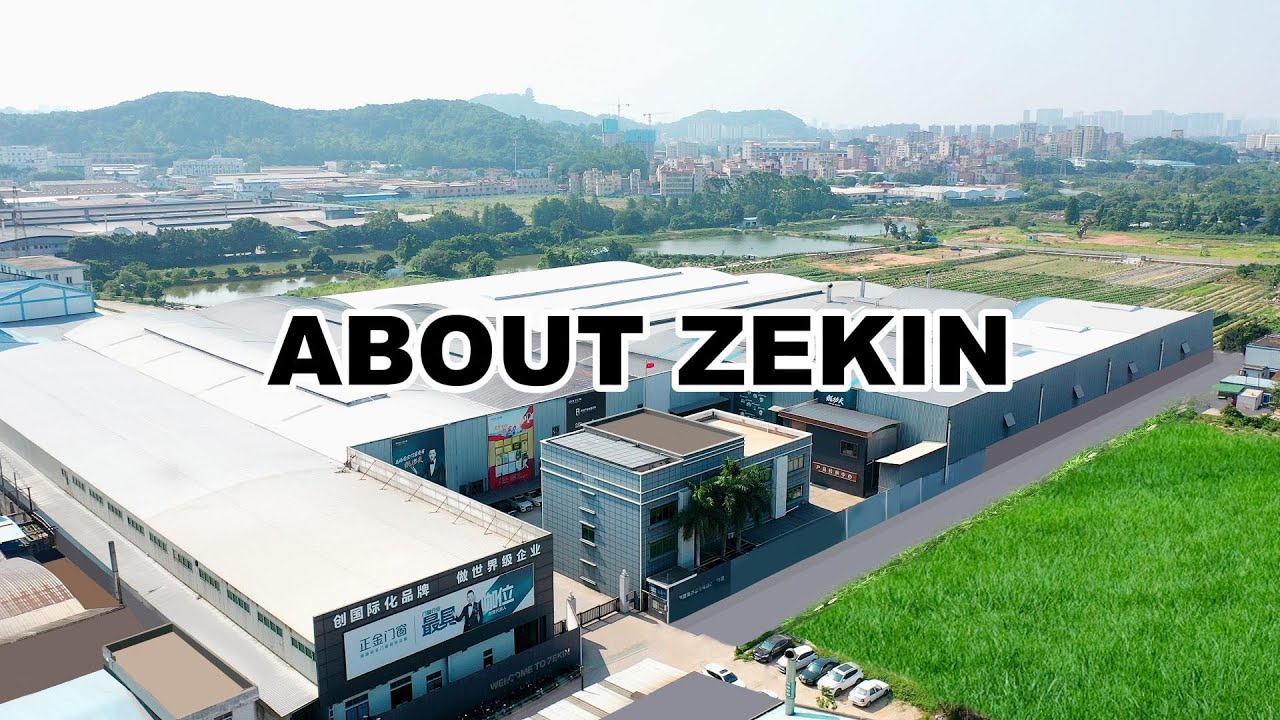
With over 16 years of direct manufacturing experience, Grandor Door Industry Co., Ltd. operates a massive 155,000 m² smart manufacturing plant located in Foshan, Guangdong—the recognized capital of global aluminum processing.
Unlike regional assemblers who outsource critical components, Grandor maintains 100% in-house vertical integration. Our facility houses aluminum extrusion lines, automated vertical powder coating and PVDF fluorocarbon spraying tracks, specialized wood-grain heat transfer equipment, automated glass tempering and IG-unit assembly lines, and high-precision CNC machining centers.
By managing every phase internally, Grandor guarantees absolute profile wall-thickness accuracy, perfect color match continuity across large orders, flawless glass tempering stress distributions, and robust corner-crimping structural integrity. Our network of over 800 retail touchpoints and global logistical partners ensures project deliveries span across 60+ export countries with zero compromise on quality or timeline.
Raw Extrusion
6063-T6 primary aluminum billets extruded in-house for exact wall thickness.
Thermal Insertion
PA66 GF25 polyamide strips mechanically knurled and crimped into aluminum chambers.
Surface Coating
Fluorocarbon PVDF or Qualicoat powder finishes applied with 20-year color durability.
CNC Assembly
Automated corner crimping, gasket insertion, IGU installation, and 100% QA pressure test.
International Fenestration Testing & Rigorous Quality Assurance
Grandor Door Industry Co., Ltd. eliminates project liability for overseas importers and main contractors by manufacturing to strict international standards.
- Compliant with Australian Standard AS 2047 (Windows in Buildings) and AS 1288 (Glass in Buildings).
- Tested to ASTM E283, ASTM E330, and ASTM E547 for North American structural and weather load compliance.
- CE certified under EN 14351-1 for European Union residential and commercial installations.
Detailed testing reports, engineering calculations, and mill test certificates are provided with shop drawing approvals prior to mass production.
Ready to Specify High-Performance Thermal Break Windows?
Connect directly with our engineering team for customized CAD shop drawings, structural wind load analysis, and competitive factory pricing.
Get CatalogGlobal Installations & Real-World Case Studies
Grandor Thermal Break Aluminum Windows are installed across prestigious residential and commercial developments globally.
Modern Steel-Structure Luxury Residence
Architectural home engineered to withstand sub-tropical storm wind pressures while maintaining ultra-low solar heat gain coefficients.
Explore Case StudyBrighton Coastal Villa Project
Coastal environment requiring salt-spray resistant anodized frames combined with high sound transmission class (STC 42) acoustic glazing.
Explore Case StudyLake Norman Waterfront Estate
Expansive lakefront elevation featuring custom wood-grain powder coat finish matching timber interiors with lifetime maintenance-free performance.
Explore Case StudyFrequently Asked Questions by Global Buyers & Developers
Expert technical responses to common questions encountered during international B2B fenestration procurement.
What key technical specifications distinguish thermal break aluminum windows from standard aluminum profiles?
Thermal break aluminum windows integrate a non-conductive polyamide strip (such as PA66 GF25) mechanically locked between the inner and outer extruded aluminum profiles. This creates a thermal barrier that reduces frame heat transfer by up to 60% compared to uninsulated aluminum. Standard aluminum profiles lack this barrier, leading to severe energy loss, higher HVAC power consumption, and interior surface condensation under temperature extremes.
How do I prepare an accurate RFQ package to receive a precise factory quotation?
To receive an actionable, factory-direct technical quote from Grandor Door Industry Co., Ltd., please provide: (1) Architectural elevation drawings or CAD files; (2) Window schedule showing quantities and opening dimensions; (3) Target performance metrics (U-factor, SHGC, STC acoustic rating, or wind load requirements); (4) Surface finish preference (Powder coat color code or PVDF anodizing); (5) Glass build-up specification (e.g., 6mm Low-E + 12Ar + 6mm Clear); and (6) Project delivery location / destination port.
Can Grandor customize frame profiles, glass build-ups, and hardware for local building codes?
Yes. Because Grandor operates fully integrated in-house extrusion, powder coating, glass tempering, and CNC assembly inside our 155,000 m² factory, we offer total customization. We engineer profiles to meet specific structural wall thickness guidelines, incorporate local certified hardware brands (or high-grade German hardware), and assemble IGUs tailored for AS2047, NFRC, or European CE compliance.
How does Grandor ensure frame finish resistance against coastal salt-spray corrosion?
For coastal and marine environments (such as project sites in Florida, Coastal Australia, or the Pacific Islands), Grandor applies architectural-grade Fluorocarbon PVDF coatings or Qualicoat Class 2 / Class 3 super-durable powder coatings. Our pre-treatment includes chrome-free conversion coating, ensuring frame finishes pass 3,000+ hours of continuous salt spray testing (ASTM B117) without blistering, chalking, or color fading.
What protective packaging protocols are used to guarantee zero breakage during ocean freight?
All window and door assemblies undergo a multi-stage export packing protocol: (1) Protective polyethylene film wrapped over all coated aluminum profile surfaces; (2) Corner foam protectors attached; (3) Heavy-duty bubble wrap enclosing the entire sash; and (4) Fumigated fully-enclosed plywood crates fitted with interior shock-absorbing rubber pads and steel strapping to withstand container transportation and crane handling.
Request an Engineering Consultation & Quote
Send your project specs directly to our senior fenestration engineers.
- Submit DrawingsUpload CAD, PDF, or elevation schedules.
- Define Performance SpecsSpecify U-value, STC rating, and wind loads.
- Choose System OptionsSelect casement, tilt-turn, or sliding thermal breaks.
- Confirm LogisticsProvide project destination port and timeline.
Build Efficient Spaces with Grandor Door Industry Co., Ltd.
Partner with an integrated manufacturer capable of executing custom project designs with uncompromising engineering rigor and direct factory economy.
- Direct access to structural fenestration engineers.
- Full international standard testing documentation available.
- Complete OEM/ODM manufacturing capability for global brands.