High-Performance Certified Entrance & Architectural Door Systems
Explore our engineering-grade entrance doors manufactured in compliance with European CE standards and global building codes.
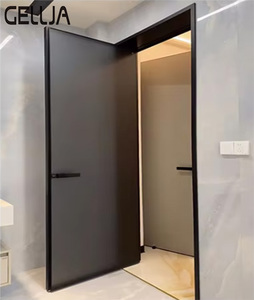
Metal Door Frame Doors Modern Indoor Contemporary Style Aluminium Alloy Showerroom Casement Glass Door Suitable For Hotels
Send an Inquiry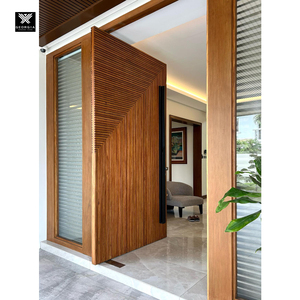
Contemporary Solid Wood Entrance Pivot Door With Geometric Vertical Slat Pattern For Houses Carving Wooden Doors
Send an Inquiry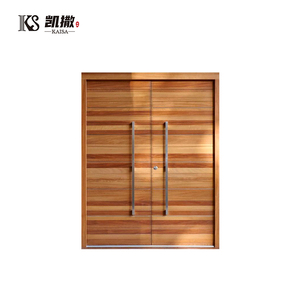
Durable Aluminium Double Entrance Door Front Entry Thermal Break Doors Cost-Effective Anti-theft Fireproof Waterproof for Villa
Send an Inquiry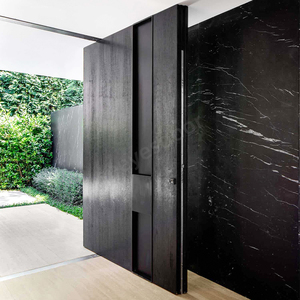
Seeyesdoor Luxury Design German Smart Locking System Thermal Insulation Solid Wood Pivot Entry Exterior Front Security Black
Send an Inquiry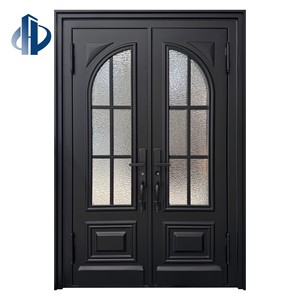
Classic French Double Doors Iron Arched Tempered Glass Villa Anti Theft Front Entry Doors for Houses Exterior Front Entry Doors
Send an Inquiry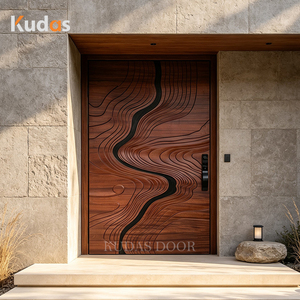
Luxury Villa 3D Carved Solid Wood Pivot Front Door Custom Modern Art Carving Pattern Exterior Main Entrance Entry Door for Home
Send an Inquiry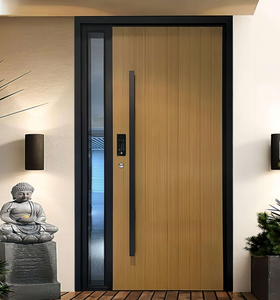
Luxury Villa Apartment Entry Anti-theft Aluminum Front Exterior Door Electric Side Opening Modern Design for Residential Use
Send an Inquiry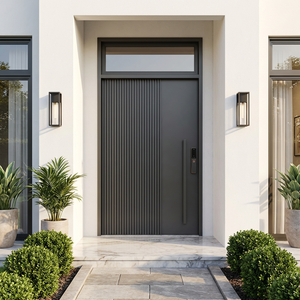
Modern Large Wrought Iron Pivot Door Entry Custom Design Exterior Front Security Anti-Theft for Apartment Outdoor Hall Villa
Send an InquiryCE Certified Entrance Doors: Standards, Engineering & Strategic Sourcing
A comprehensive technical analysis for commercial procurement heads, architectural specifiers, and real estate developers.
1. Understanding CE Certification (EN 14351-1)
The CE Mark is not merely a trading permit; it represents strict structural, environmental, and safety compliance under European standard EN 14351-1. Entrance doors entering the EU and global premium projects must verify air permeability (EN 12207), water tightness (EN 12208), wind load resistance (EN 12210), thermal transmittance (U-value via EN ISO 10077-1), and mechanical durability.
Working with certified suppliers eliminates severe legal liabilities, customs holds, and expensive on-site compliance retrofits for developers.
2. Thermal-Break & Structural Integrity
Modern architectural entry systems demand ultra-low thermal transmittance without compromising structural strength. Advanced entrance doors utilize multi-chamber extruded aluminum profiles separated by continuous low-conductivity polyamide (PA66 GF25) thermal breaks.
This barrier prevents thermal bridging, reduces indoor condensation risks, and lowers HVAC load coefficients, achieving system U-values down to 0.8 - 1.2 W/m²K when combined with argon-filled Low-E double or triple glazing.
3. Multi-Point Locking & Mechatronic Security
High-end entrance systems bridge mechanical strength with modern access control. Certified security entrance doors feature German-engineered multi-point locking hardware (RC2/RC3 burglar resistance rating according to EN 1627).
Systems support biometrics, RFID, smart home automation interfaces, and concealed heavy-duty pivot hinges capable of smoothly supporting single sash weights exceeding 400 kg.
| Performance Parameter | European Standard (EN) | Grandor Factory Standard | Architectural Impact |
|---|---|---|---|
| Air Permeability | EN 12207 (Class 1 - 4) | Class 4 (Highest Seal Matrix) | Eliminates drafts, optimizes HVAC efficiency |
| Water Tightness | EN 12208 (Class 1A - 9A) | Class E900 (900 Pa pressure) | Prevents moisture penetration under storm conditions |
| Wind Load Resistance | EN 12210 (Class A1 - C5) | Class C5 (High-rise structural grade) | Ensures frame stability in high-wind/coastal zones |
| Thermal Transmittance (U-Value) | EN ISO 10077-1 | 0.85 – 1.3 W/m²K | Meets Passive House and Green Building benchmarks |
| Acoustic Rating (Rw) | EN ISO 717-1 | Up to 42 dB sound attenuation | Dampens ambient urban noise for luxury interiors |
Future Procurement Trends in Architectural Entrance Systems
Stay ahead of industry shifts driving modern residential and commercial door specifications globally.
1. Oversized Statement Pivot Entrance Doors
Architects are moving away from traditional standard hinged doors toward dramatic, floor-to-ceiling pivot entrance systems. Utilizing concealed hydraulic floor springs and reinforced internal steel/aluminum skeletons, these doors allow widths over 2.5 meters and heights over 4 meters while maintaining effortless fingertip operation.
2. Integrated Smart Access & Automation
Biometric fingerprint scanners, facial recognition cameras, motorized multi-point latches, and IoT smart home connectivity are becoming standard requirements in luxury residential and commercial developments. Hardware integration is now embedded directly into profile extrusions during factory assembly.
3. Sustainable Materials & Carbon Neutrality
Global developers increasingly require Environmental Product Declarations (EPD) and recyclable materials. Aluminum alloy door profiles sourced from low-carbon smelting processes combined with non-toxic, powder-coated or anodized surface finishes align directly with LEED and BREEAM certifications.
The Grandor Manufacturing Advantage
Integrated production capabilities that ensure uncompromising quality, speed, and precision.
155,000 m² Integrated Facility
Every phase of manufacturing—from raw aluminum extrusion and surface anodizing/powder coating to glass tempering, thermal strip assembly, and hardware fitting—takes place within our single high-capacity Foshan industrial complex.
Full Custom Engineering
We work directly from architectural elevations and CAD drawings. Profile dimensions, glass build-ups (laminated, bullet-resistant, Low-E), wood-grain finishes, and hardware configurations are engineered precisely to project specs.
Proven Global Track Record
Exporting to over 60 countries with successful residential and commercial installations across Australia (Brisbane, Melbourne), North America (North Carolina), Europe, and the Middle East. Complete export-grade wood crate packaging ensures zero damage during ocean freight.
Frequently Asked Questions for Global Procurement
Essential details to streamline your overseas door and window sourcing process.
What information is required to receive a detailed quotation and engineering proposal?
To provide an accurate proposal, please supply your architectural elevations or door schedule (including rough opening sizes), required performance metrics (U-value, wind load class, security rating), preferred frame finish, glass specifications, and your target port of delivery.
Why should we specify thermal-break aluminum over non-thermal break profiles?
A thermal break consists of a reinforced polyamide strip separating external and internal aluminum frames. It blocks heat conductivity, significantly lowers cooling/heating costs, prevents surface condensation, and allows compliance with strict energy codes.
Are Grandor entrance doors customizable to local building standards (AS2047, NFRC, CE)?
Yes. Because profile extrusion, glass tempering, and finishing are managed in-house, we engineer framing systems, thermal strips, and glass compositions specifically tailored to pass North American, Australian, European, or local regional building codes.
How does Grandor manage quality control and pre-shipment inspections?
Every door frame undergoes strict multi-point dimensional, seal compression, and mechanical hardware testing. We welcome third-party pre-shipment inspections (SGS, TUV, Intertek) prior to container loading and export crating.
Partner with a Certified Entrance Door Manufacturer
Consult with our structural engineers today to review your project drawings, verify compliance requirements, and receive a competitive factory-direct quote.
Send an Inquiry