Engineered Architectural Pivot Door Systems
Direct factory supply of modern security entry pivot doors engineered for ultra-large openings, extreme climate insulation, and high-security architectural specifications.
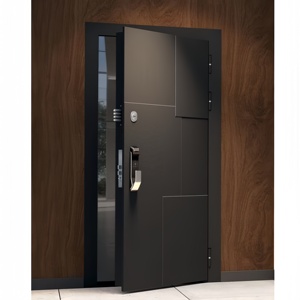
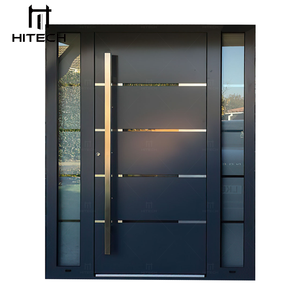
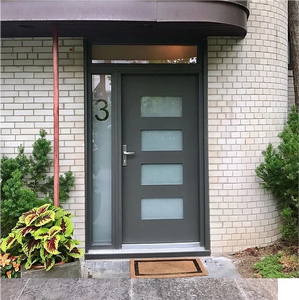
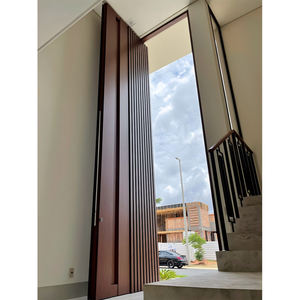
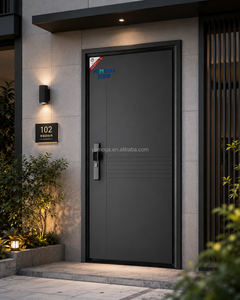
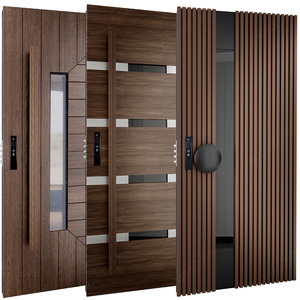
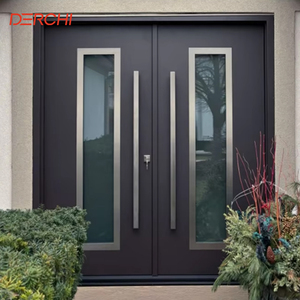
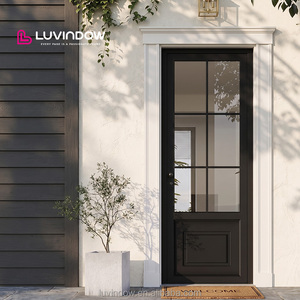
Sourcing Heavy-Duty Pivot Entrance Doors from China: Strategic Technical Guide
An engineering analysis of modern pivot entrance systems, load-bearing floor pivot mechanics, thermal break insulation, and supply chain selection criteria for luxury residential and commercial developments.
Modern architectural design has fundamentally transformed the primary entryway from a functional building component into a defining structural statement. As luxury villas, high-end commercial headquarters, and hospitality developments demand increasingly grand entry spans, traditional side-hinged doors reach severe physical limitations. This engineering reality has fueled the rapid global adoption of oversized aluminum pivot entrance door systems.
When selecting a China best pivot entrance door supplier & suppliers, architectural specifiers, general contractors, and facade importers must evaluate suppliers beyond superficial aesthetics. A high-performance pivot entrance door represents a complex synergy of structural load transfer, dynamic weather sealing, perimeter thermal bridge mitigation, and mechatronic smart lock integration. Partnering with a vertically integrated manufacturer like Grandor Door Industry Co., Ltd. ensures that every micron of aluminum profile extrusions, multi-chamber thermal breaks, and heavy-duty pivot hardware meets rigorous international building codes.
Structural Physics of Pivot Entry Doors vs. Traditional Butt Hinges
The core structural distinction between a traditional swing door and an architectural pivot door lies in the vector distribution of dead load weight:
- Traditional Side Hinges: Rely on cantilevered structural tension. The entire door sash weight pulls outward against the vertical side jamb and wall framing. For sashes exceeding 150 kg or widths over 1.2 meters, side hinges experience exponential torque, leading to frame sag, latch misalignment, and premature perimeter seal degradation.
- Floor-Pivoted Systems: Transfer up to 90% of the total panel weight directly downward into the floor slab via a heavy-duty hydraulic or mechanical bottom pivot spindle. Because the vertical rotational axis is offset from the frame jamb (typically set at 100mm to 250mm or 1/3 panel width), the panel operates in rotational equilibrium. This allows structural sashes weighing up to 800 kg (1,760 lbs) and measuring over 3 meters wide to open effortlessly with minimal hand effort.
Technical Benchmark: Grandor Architectural Pivot Profile Specifications
Our heavy-duty exterior pivot entry doors utilize 6063-T6 architectural-grade aluminum extrusions engineered with reinforced multi-cavity walls. Below are the key physical and performance indicators verified under international testing standards:
Future Global Procurement Trends in Heavy-Duty Pivot Entrance Systems
As international energy codes tighten and smart home automation becomes standard in modern architecture, procurement requirements for pivot entrance doors are evolving rapidly. Sourcing teams must align with suppliers capable of staying ahead of four critical industry trends:
1. Passive House Micro-Thermal Break Integration
Historical pivot doors suffered from thermal bridging along perimeter gaps. Modern sourcing demands continuous multi-chamber polyamide thermal breaks (PA66-GF25) integrated within both the sash profiles and frame jambs, coupled with triple Low-E insulated glass units (IGUs) filled with 90% Argon gas to achieve Passivhaus-level thermal efficiency.
2. Mechatronic Smart Security & Biometric Integration
Mechanical keys are rapidly being replaced by integrated motor-driven multi-point locking systems. Trend-setting pivot doors feature concealed 3D facial recognition cameras, biometric fingerprint readers embedded directly into full-height pull handles, and RS485/Zigbee smart home automation connectivity for remote access control.
3. Material Hybridization & Architectural Cladding
Architects no longer accept plain painted metal. Leading China pivot door suppliers offer hybrid structural designs: an ultra-rigid aluminum core clad externally with sintered porcelain stone slabs, real timber veneers (American Walnut, Teak), anodized copper-bronze finishes, or anti-fingerprint PVDF fluorocarbon coatings.
4. Dynamic Concealed Drop-Down Weather Sealing
To overcome traditional perimeter air/water leak challenges at the threshold, top-tier pivot doors now integrate automatic pneumatic drop-down bottom seals combined with magnetic neoprene perimeter gaskets that engage seamlessly when the door fully latches.
Key Structural & Development Trends of Modern Pivot Doors
The manufacturing landscape for pivot doors has undergone three distinct generational shifts over the past two decades. Understanding these development milestones allows B2B buyers to evaluate factory technology levels effectively:
Steel Frame Swing Doors
Heavy, uninsulated hollow steel sections prone to rust, optical distortion, frame sag, and rudimentary single-point latching.
Non-Break Aluminum Pivot
Lighter extruded aluminum profiles with top/bottom pivot pins, but lacking thermal isolation, causing severe condensation in cold climates.
Thermal-Break Security Systems
Multi-chamber thermal barrier profiles, multi-point lock rods, hydraulic dampening, and concealed floor spring speed controls.
Smart Biometric Passivhaus Pivot
Motorized multi-bolt locking, fully embedded biometric sensors, airtight dynamic seals, carbon-neutral powder coatings, and zero-threshold barrier-free designs.
Enterprise Advantage: Why Grandor Door Industry Co., Ltd. Leads China Supply
As a preeminent manufacturer based in Foshan, Guangdong—China's global capital for aluminum extrusion and fenestration engineering—Grandor Door Industry Co., Ltd. operates an expansive 155,000 square meter smart manufacturing hub. Over 16+ years of dedicated export production, Grandor has established one of the industry's most rigorous quality assurance frameworks.
100% In-House Production Verticality
Unlike regional assemblers who outsource profile extrusions, glass processing, or powder coating, Grandor executes every single core process inside our own facility: profile billet extrusion, surface anodizing/powder coating, glass tempering/insulation assembly, and CNC hardware machining. This guarantees zero quality gaps between batches.
International Standard Compliance
Grandor pivot entrance door systems are engineered and tested to comply with stringent international standards including Australian AS 2047 / AS 1288, European CE EN 14351-1, North American NFRC thermal modeling, and ASTM E283/E330/E547 structural performance benchmarks.
Global Logistics & Engineering Support
Supplying projects in over 60 countries across Australia, North America, Europe, and the Middle East, our dedicated project engineering department provides comprehensive CAD shop drawings, 3D structural BIM models, step-by-step installation manuals, and custom fumigated plywood crate packaging designed to protect delicate finishes during sea freight transit.
China Pivot Entrance Door Sourcing: Frequently Asked Questions
Direct engineering answers to common procurement, technical specification, and shipping inquiries raised by architects, importers, and luxury homebuilders.
Partner with China's Premier Pivot Entrance Door Manufacturer
Whether you are sourcing custom architectural entrance doors for a luxury private villa project, high-end residential subdivision, or wholesale global distribution, Grandor Door Industry Co., Ltd. delivers world-class engineering, uncompromised safety, and factory-direct pricing.