Featured Wholesale Modern Double Entry Door Assemblies
Engineered to pass rigorous structural, thermal, and hurricane-impact specifications across North America, Europe, Australia, and the Middle East. Explore our eight core exported entrance configurations.
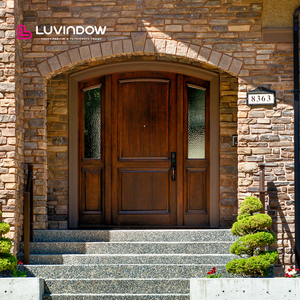
Custom Crafted Energy Efficient Insulated Solid Wood Main Door For High End Commercial Projects
Integrated multi-layer insulated solid teak/oak core combined with perimeter thermal barrier seals for superior acoustic isolation and climate protection.
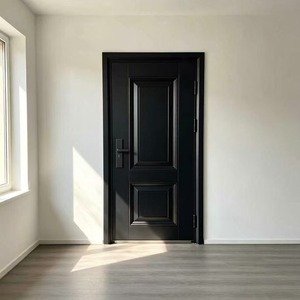
Double Steel Security Entry Door Multi Point Lock Anti Pry Structure Commercial Office Warehouse Outdoor Burglar Proof Door
Heavy-gauge galvanized steel frame featuring 9-to-11 point locking bolts, anti-pry steel armor plates, and high-density polyurethane insulation.
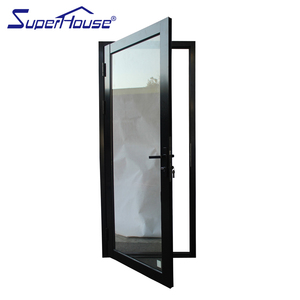
Miami NOA Approved Modern Hurricane Proof Impact Resistance Triple Glazed Aluminum Alloy Hinged Patio Door With Finished Surface
Heavy-duty thermal-break aluminum structure with laminated SGP impact triple glazing engineered to withstand missile impacts and wind loads up to 5000 Pa.
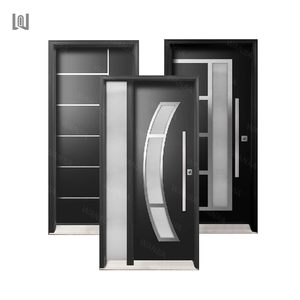
Anti-Theft Residential Home Renovation Main Entrance Entry Security Door Security Door Entrance Security Doors
Sleek modern double door system equipped with smart biometric keyless entry, concealed heavy-duty hinges, and anti-drill manganese core plates.
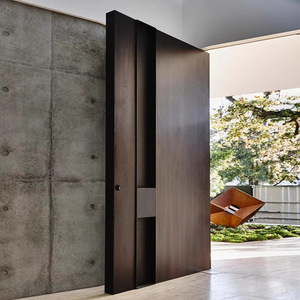
High Security Exterior Main Entrance Doors Customized Made Model Wooden & Aluminum Pivot Front Entry Door
Oversized grand pivot double entry assembly utilizing German floor springs, aircraft-grade aluminum alloy framing, and customizable solid wood veneer faces.
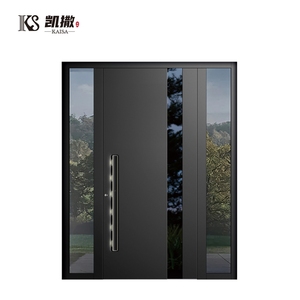
Modern Contemporary Security Casement Door Finished Aluminium Front Entry Soundproof Features Exterior Contemporary Style Design
Ultra-slim aluminum double casement profiles fitted with double-chamber acoustic gaskets and Low-E tempered safety glass achieving STC ratings over 42 dB.
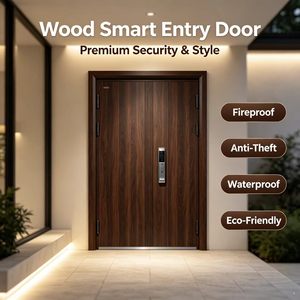
Steel Mother Son Security Door Villa Side Opening Anti-Theft Front Entry Multi Lock Sound Insulation Waterproof Custom Hotel
Asymmetrical double door configuration (Mother-Son layout) optimized for flexible passage widths, reinforced side locking leaf, and luxury hotel villa entrances.
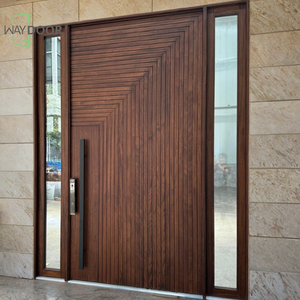
Premium Finished Oversize Heavy-Duty Single Front Entry Door With 2 Sidelights Oak Mahogany Solid Wood Exterior Pivot Door
Grand scale double entrance system flanked by dual insulated glass sidelights, featuring solid Mahogany/Oak cladding and heavy-load structural pivot axes.
China’s Premier OEM/ODM Manufacturer for Modern Double Entry Doors
Grandor Door Industry Co., Ltd. operates one of Asia's most advanced door and window manufacturing complexes in Foshan, Guangdong. By unifying the entire value chain—from raw profile extrusion to precision robotic assembly—we deliver structural reliability and design customization for international real estate developers, architectural wholesalers, and general contractors.
Fully Integrated In-House Production Hub
Unlike assembly workshops that rely on third-party subcontractors, Grandor executes aluminum extrusion, automated surface coating (Kynar 500 PVDF, anodizing, Italian thermal-transfer wood grain), robotic safety glass tempering, and CNC multi-point hardware machining within our unified 155,000 m² smart facility. This guarantees absolute tolerance control, zero profile color variance, and consistent structural integrity across batch orders.
Global Testing & Architectural Certifications
Our double entry door assemblies are rigorous tested to comply with international building codes. We provide certified performance documentation including ISO 9001:2015 quality compliance, European CE (EN 14351-1), Australian AS 2047 & AS 1288 standards for air infiltration and glazing, North American NFRC / ASTM E283/E330/E547 structural pressure ratings, and Florida Miami-Dade NOA hurricane impact resistance.
Customized OEM/ODM Architectural Shop Drawings
Every overseas commercial project presents distinct structural dimensions and thermal mandates. Our dedicated engineering office translates architectural elevations into precise 2D/3D CAD shop drawings, analyzing wind load calculations, thermal bridge mitigation, structural anchorage details, and custom hardware compatibility (such as Dormakaba, Hoppe, or custom biometric IoT access units) prior to mold casting and extrusion.
Information Gain: Why Double Entry Door Thermal-Break Architecture Matters for Importers
In modern building envelope design, double entry doors represent the primary thermal leakage zone of high-end main entrances. Standard aluminum frame doors create a conductive path that transfers outdoor heat or sub-zero cold directly into the building interior, resulting in high energy consumption and frame condensation. Grandor’s engineered double entry door systems utilize dual 24mm to 34mm Polyamide (PA66GF25) reinforced thermal break strips combined with triple-sealed EPDM gaskets, reducing frame thermal conductivity by up to 68% and reaching U-values as low as 0.85 W/m²K.
Our 4-Stage Precision Manufacturing Standard
Future Procurement & Technological Trends in Double Entry Doors
As global energy regulations tighten and luxury residential architecture demands grander entry scales, the double entry door sector is undergoing a major technological transformation. Below is an executive breakdown of key sourcing trends shaping global B2B procurement through 2030.
1. Passive House Envelope Compliance & Decarbonization Mandates
Governments across Europe, North America, and Australia are establishing mandatory Net-Zero operational building codes (such as Energy Star 7.0 and Germany's Passivhaus standard). Procurement managers are shifting away from traditional non-thermal doors toward multi-cavity thermal break aluminum and insulated composite steel double doors. Future-proof procurement requires door assemblies incorporating triple/quadruple glazed Low-E panels with argon gas fills, warm-edge spacers, and perimeter drop-down automatic acoustic seals.
2. Architectural Scale Expansion: Oversized Grand Entryways & Pivot Systems
Modern architectural luxury villas increasingly specify entry openings exceeding 3.5 meters in height and 2.4 meters in total width. Conventional side-hinged doors suffer from sag and hinge deformation at these scales. The market is accelerating adoption of heavy-duty offset pivot double entry doors fitted with floor-recessed hydraulic springs capable of supporting sash weights up to 500 kg, offering effortless 360-degree fingertip operation and seamless structural flush alignment.
3. Smart Access Integration & Concealed Multi-Point Automation
Mechanical key locks are rapidly being replaced by integrated biometric access systems, including 3D facial recognition, encrypted RFID keycards, and smartphone IoT connectivity. Wholesale buyers now mandate factory-pre-wired conduit channels within the door leaf and frame, enabling seamless installation of motorized multi-point lock actuators, electronic strike plates, and hidden magnetic contact sensors that link directly into Smart Home Automation hubs.
4. Extreme Weather Resilience & Coastal Corrosion Engineering
With rising global climate volatility, demand for impact-resistant and hurricane-rated entrance doors is expanding beyond coastal Florida to coastal regions in Asia, Australia, and the Caribbean. Procurement specifications now center on high-strength 6063-T6 aluminum alloys, SGP laminated safety glass interlayers (which hold integrity even under glass fracture), marine-grade 316 stainless steel hardware, and PVDF coatings that resist chalking and fading under high UV radiation.
5. Hybrid Material Construction: Aesthetics + Structural Durability
Architects frequently seek the aesthetic warmth of natural wood alongside the weatherproofing and structural stability of engineered metal. The industry is seeing a surge in demand for aluminum-clad wood composite double entry doors. The exterior skin utilizes heavy-gauge aluminum designed to resist rain, UV, and salt air, while the interior face features real solid Teak, Mahogany, or Walnut timber casing—decoupled by a thermal isolation barrier to eliminate warping.
6. Direct-from-Source Factory Collaboration & BIM Standardisation
Global sourcing shifts favor established original manufacturers capable of supplying native BIM (Building Information Modeling) Revit files, CAD details, and full lab test reports directly to project consultants. Direct OEM sourcing bypasses middleman markups, reduces technical miscommunication through standardized shop drawing sign-offs, and ensures customized hardware pre-installation prior to ocean freight shipping.
Technical Performance Comparison Matrix
Compare key engineering parameters across our primary double entry door system classifications to select the ideal specification for your target market or project build code.
| Door System Type | Primary Material Base | Thermal U-Value Range | Sound Insulation (STC) | Max Wind Load Rating | Security / Lock Class |
|---|---|---|---|---|---|
| Thermal Break Aluminum Double Door | 6063-T5 Profile + PA66GF25 Strip | 1.1 – 1.4 W/m²K | 38 – 42 dB | 3500 – 4500 Pa | Multi-Point (5-Point Lock) |
| Heavy-Duty Steel Security Double Door | Galvanized Armor Steel + PU Core | 1.2 – 1.6 W/m²K | 40 – 45 dB | 4000 – 5000 Pa | Anti-Pry 9-to-11 Point Lock |
| Hurricane-Impact Aluminum Double Door | Reinforced 6063-T6 + SGP Laminated Glass | 1.3 – 1.7 W/m²K | 36 – 40 dB | 5000+ Pa (Miami NOA) | Impact Multi-Bolt Lock |
| Architectural Pivot Double Entry Door | Aluminum Frame + Solid Wood Core | 1.0 – 1.3 W/m²K | 35 – 39 dB | 3000 – 4000 Pa | Heavy Axis Floor Spring Lock |
| Steel-Wood Hybrid Mother-Son Door | Steel Skeleton + Real Wood Veneer | 1.3 – 1.5 W/m²K | 38 – 43 dB | 3200 – 4200 Pa | Asymmetric Dual Leaf Lock |
Frequently Asked Questions for B2B Importers & Contractors
Clear, authoritative technical answers to common questions encountered when sourcing wholesale modern double entry doors from China.
What essential technical parameters are required to generate an accurate factory proposal?
Why should international buyers specify thermal break aluminum double doors over non-thermal aluminum?
How does Grandor ensure color consistency and finish longevity against harsh UV and salt marine exposure?
Can custom dimensions, oversized pivot leaves, and irregular arch shapes be engineered?
What security mechanisms are incorporated to prevent forced entry and burglary?
How are shop drawings verified and approved before mass manufacturing begins?
What export packaging protocols are used to guarantee zero ocean shipping transit damage?
What are the typical lead times for sample production and full container B2B orders?
Are third-party pre-shipment inspections permitted at the Foshan factory?
How can buyers request physical material samples, profile cross-sections, and color chips?
Partner with China’s Leading Double Entry Door Manufacturer
Direct factory prices, uncompromised structural quality, and comprehensive technical drawing support for global importers, architects, and building developers.