Featured High-Security Entry Door Systems & Hardware
Standard and bespoke architectural door series manufactured to international standards. Built with heavy-gauge materials, multi-point lock mortises, thermal breaks, and structural anti-burglary reinforcement.
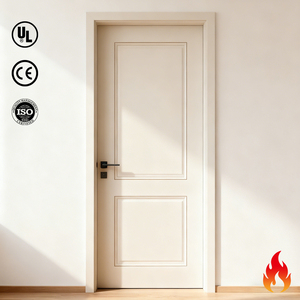
Modern Soundproof Wooden Fire Rated Hotel Security Door With Customized Size
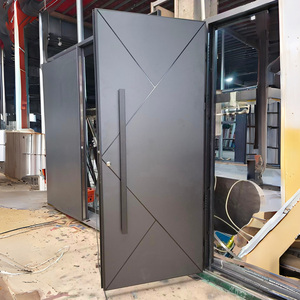
Homart Australia Modern Luxury Black Multilock Stainless Steel Anti-Theft Security Door Ballistic Proof for Exterior Entry Villa
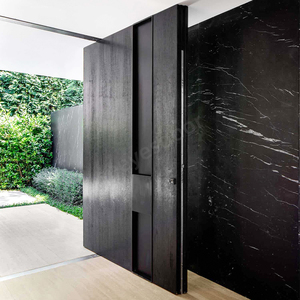
Seeyesdoor Luxury Design German Smart Locking System Thermal Insulation Solid Wood Pivot Entry Exterior Front Security Black
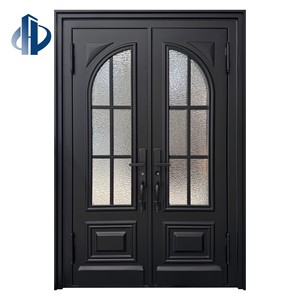
Classic French Double Doors Iron Arched Tempered Glass Villa Anti Theft Front Entry Doors for Houses Exterior Front Entry Doors
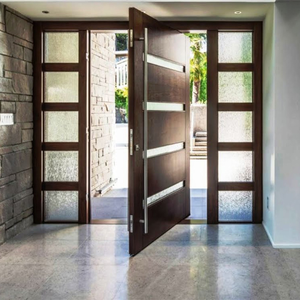
Top Quality High Glossy Main Entrance Exterior Wood Pivot Entry Doors with Side Lite
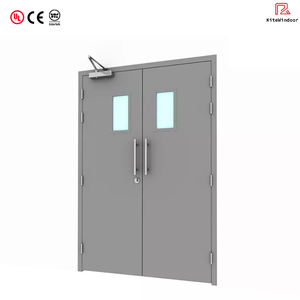
Custom Residential Exterior Front Entry Security Fire-Rated Double Metal Steel Doors Solid Stainless Steel Fire Rated Door
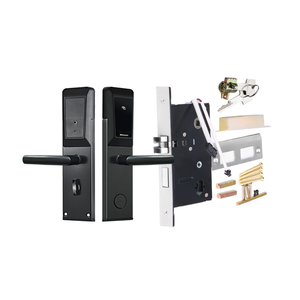
Digital Electronic Hotel RF Card Door Lock Hotel Lock Software Management System
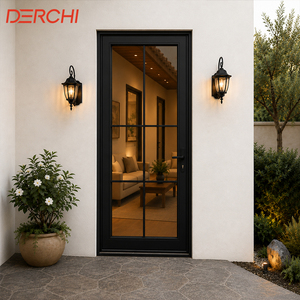
Waterproof Soundproof Aluminum French Door For Balcony Living Room And Villa Project
Navigating OEM High-Security Entry Door Sourcing & Manufacturing Standards
In international architectural procurement, high-security entry doors represent a critical intersection where physical perimeter defense meets thermal envelope insulation and structural luxury design. For overseas developers, commercial contractors, and wholesale door distributors, choosing a qualified original equipment manufacturer (OEM) or exporter requires evaluating key engineering metrics beyond superficial aesthetic appeal.
As modern burglary techniques advance and extreme weather events intensify globally, standard hollow-core or single-point locking exterior doors no longer fulfill project safety mandates. Today's premium entry systems demand multi-layered structural integrity—incorporating electro-galvanized cold-rolled steel armors, high-grade 6063-T6 extruded aluminum profile frames, anti-pry hook locks, ballistic-rated glass inserts, and low-emissivity thermal barriers.
Forced-Entry Protection (EN 1627 RC2–RC4)
OEM factories utilize heavy-duty internal steel rib grids, anti-drill manganese plates around lock bodies, and continuous anti-jacking hinge pins to resist mechanical attacks using heavy tools, crowbars, and power drills.
Thermal & Acoustic Envelope Efficiency
By embedding polyamide (PA66) thermal breaks and high-density mineral wool or injected polyurethane cores, certified security doors achieve U-values below 1.1 W/m²K and sound transmission ratings up to STC 45dB.
Smart Access Control Hardware Integration
Modern OEM entry door exporters pre-wire door leaves for electro-mechanical mortise locks, 3D facial recognition sensors, RFID hotel keys, and biometrics while preserving high mechanical deadbolt security.
Future Sourcing & Procurement Trends in High-Security Entrances
1. Oversized Heavy-Duty Architectural Pivot Systems
Architects are increasingly specifying grand exterior front entrances reaching up to 2.5 meters in width and 4 meters in height. OEM factories now engineer concealed floor pivot gear capable of carrying door leaf loads exceeding 500 kg while maintaining fingertip opening push force and auto-closing hydraulics. These pivot doors combine solid wood cladding, anodized aluminum skins, and structural steel cores.
2. Hybrid Material Engineering for Fire & Bullet Resistance
High-end residential villas and commercial facilities are combining security specifications into hybrid door constructions. Exporters are combining UL 10C / BS 476 fire resistance ratings (up to 120 minutes) with EN 1063 BR4 to BR7 ballistic glass inserts. This hybrid layering protects against fire exposure, ballistic impact, and forced physical breach simultaneously.
3. Zero-Carbon & Fluorocarbon Anti-Corrosion Surface Finishing
For coastal and humid export markets (such as Australia, the Caribbean, and Southeast Asia), entry door frames are vulnerable to salt spray corrosion. Advanced OEM exporters have transitioned to PVDF fluorocarbon powder coating and real wood-grain thermo-transfer technologies that pass 3,000-hour salt spray testing, guaranteeing 20+ years of color retention without peeling or fading.
4. Fully Integrated Smart Home & IoT Locks
The traditional standalone mechanical lock is being replaced by integrated smart access ecosystems. OEM factories are embedding concealed wiring channels, electromagnetic strikes, and motorized multi-locking bolts into the door leaf structure, enabling seamless synchronization with automated building management systems (BMS) and smart home hubs via Zigbee, Matter, or RS485 protocols.
Comparing Entry Door Material Substrates & OEM Specifications
Understanding the structural trade-offs between materials ensures correct product selection based on local project climate, security level, budget, and building code requirements.
| Performance Feature | Thermal-Break Aluminum Security Doors | Solid Stainless / Steel Security Doors | Composite Solid Wood Pivot Doors |
|---|---|---|---|
| Primary Application | Modern Coastal Villas, Luxury Residences | Hotel Corridors, Commercial Envelopes, Fire Exits | Grand Residential Entrances, Architectural Projects |
| Burglary Resistance Rating | EN 1627 RC2 – RC3 (Multi-Point) | EN 1627 RC3 – RC5 (Reinforced Core) | EN 1627 RC2 – RC4 (Concealed Steel Core) |
| Thermal Insulation (U-Factor) | Superior (0.8 – 1.2 W/m²K) | Moderate (1.4 – 1.8 W/m²K) | Good (1.2 – 1.5 W/m²K) |
| Weather & Corrosion Resistance | Outstanding (PVDF / Anodized Finishes) | High (304/316 Stainless or Galvanized) | Requires Periodic Exterior Sealing Maintenance |
| Fire-Resistance Capability | Up to 30 Mins (Specialized Core) | 60 to 180 Mins (UL 10C / BS 476 Certified) | 30 to 60 Mins (Intumescent Sealed Cores) |
| Acoustic Rating (STC) | 38 dB – 45 dB | 35 dB – 42 dB | 40 dB – 48 dB |
End-to-End Vertical Manufacturing Excellence
Grandor Door Industry Co., Ltd. operates a massive 155,000 m² modern manufacturing hub in Foshan, Guangdong. By performing all crucial production processes under one roof, we eliminate subcontractor quality gaps and provide complete quality control for international project orders.
In-House Aluminum Extrusion
We extrude precision 6063-T6 architectural grade aluminum profiles in-house, ensuring precise wall thickness tolerances (1.8mm–3.0mm) for structural entrance frames and window systems.
Automated Surface Coating
Equipped with vertical powder coating lines and Italian wood-grain heat-transfer technology, delivering UV-resistant finishes that withstand harsh marine environments.
Glass Tempering & Double Glazing
Full tempering, Low-E coating, argon gas injection, and laminated glass production facilities produce high-impact safety glazing compliant with AS 1288 and EN 12150 standards.
5-Step International Project Procurement Protocol
Engineers verify opening dimensions, wind load pressures, hardware mortise cutouts, and threshold details prior to production.
Spectrometer checks on metal alloys, hardness testing of polyamide thermal strips, and density verification of steel cores.
Computerized corner crimping, lock mortise routing, and multi-point locking gear installation for accurate fitment.
Full mock-up door assembly, water tightness testing, lock alignment check, and third-party inspection support.
Heavy-duty plywood crating with corner protectors, vacuum moisture barrier wrap, and reinforced steel banding for sea freight.
Frequently Asked Questions by B2B Door Importers & Contractors
Clear technical answers to help engineering consultants, sourcing agents, and distributors streamline high-security entry door procurement.
What information is required to receive an accurate OEM entry door quotation?
To prepare an accurate technical proposal and itemized quotation, our engineering team requires: (1) Architectural opening schedules or CAD elevation drawings detailing dimensions; (2) Performance specifications such as required anti-theft resistance class (EN 1627 RC2/RC3/RC4), fire rating duration (30-120 mins), thermal U-value, or sound insulation (STC rating); (3) Material choices (thermal-break aluminum, electro-galvanized steel, solid wood veneer, stainless steel); (4) Preferred lock hardware brand or smart biometric access requirements; and (5) The destination seaport and project schedule.
How do OEM high-security doors maintain energy efficiency alongside anti-theft performance?
Traditional metal security doors often suffer from thermal bridging, causing heat gain/loss and condensation. OEM thermal-break security doors solve this by incorporating low-conductivity polyamide (PA66GF25) thermal strips between the interior and exterior metal profile extrusions. Combined with high-density polyurethane or rockwool core insulation and insulated Low-E double/triple glazing, these doors deliver thermal conductivity ratings down to U ≤ 1.1 W/m²K while retaining steel-reinforced structural anti-pry performance.
Can your factory customize entry doors to meet local regional building codes (CE, AS2047, NFRC, ASTM)?
Yes. Our engineering department designs systems specifically to comply with target destination codes. We regularly manufacture windows and doors certified under European standards (CE EN 14351-1), Australian standards (AS 2047 for structural/water performance and AS 1288 for safety glass selection), North American energy standards (NFRC thermal rating), and ASTM air/water/structural testing (E283, E330, E547). Test reports and compliance documentation are provided during shop drawing submittals.
What hardware mechanisms are used to ensure multi-point anti-burglary protection?
Our security doors are equipped with multi-point locking mortises featuring top, bottom, and side latching deadbolts operated by a single key or electronic signal. Key components include hardened steel anti-saw pins, anti-pry hook bolts that interlock with the frame jamb, anti-drilling plates shielding the lock cylinder, and continuous 3D adjustable security hinges fitted with anti-jacking studs. Hardware brands include premium German gear (Roto, GU, Hoppe) or our proprietary OEM heavy-duty security locks.
What is the typical manufacturing lead time for custom OEM pivot and entry door orders?
Sample prototypes and small custom batches typically take 15 to 20 business days following final CAD drawing approval. Full container load (20GP / 40HQ) production orders take 25 to 35 calendar days, depending on custom surface finish requirements (e.g., custom RAL powder colors or complex wood grain transfers require 3–5 additional processing days). Expedited production tracks are available for urgent commercial construction schedules.
How does your factory protect oversized luxury doors during international ocean shipping?
Given the weight and size of high-security entry doors (especially heavy oversized pivot doors and glass panels), we implement a multi-layer export packing standard: (1) Protective surface film on coated frames; (2) High-density EPE foam edge wraps around corners and lock cutouts; (3) Sealed moisture-proof plastic shrink wrap; and (4) Custom-built fully enclosed ISPM 15 certified fumigated plywood crates with internal timber bracing and external steel straps. This prevents flexing, glass breakage, and moisture exposure during transit.
Partner with China's Premier Entry Door Exporters
Transform your architectural designs into high-performance, secure entry realities. Send your project drawings or specifications to our engineering team today for technical review and factory-direct wholesale pricing.
Get a Quote