Engineered Multi-Point Security & Custom OEM Entrance Systems
Explore our flagship OEM/ODM manufactured door series certified for global commercial, residential, and high-security architectural developments.
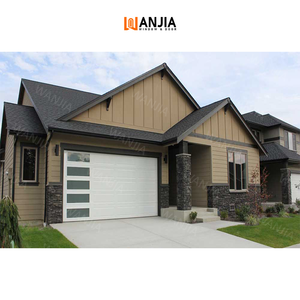
High Performance Exterior Aluminum Garage Door Modern House Glass Garage Door Electric Automatic Garage Doors
- Automated Multi-Point Track Locking
- Tempered Double Glazing (Low-E)
- Wind Load Resistance: Class 4
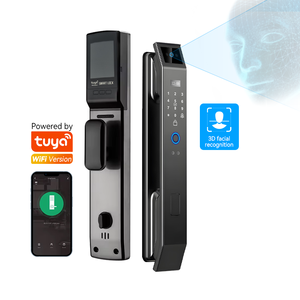
Home Electronic Keyless Digital Biometric Fingerprint Security Door Lock Smart Tuya 3D Face Recognition Smart Door
- 5-Point Automatic Mortise Deadbolt
- 3D Structured Face Recognition
- Anti-Tamper Alarm & Encrypted IC
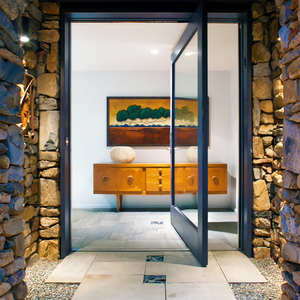
Florida Miami-Dade Approved NFRC North American Style Big Panel Tempered Glass Aluminium Modern Entry Front Pivot Doors
- HVHZ Impact Laminated Safety Glass
- Heavy-Duty Concealed Pivot Hinge
- Multi-Point Hook & Pin Lock Mechanism
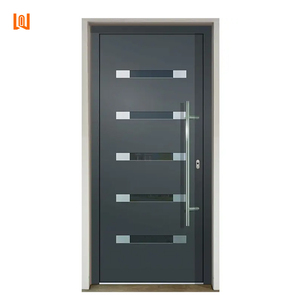
OEM/ODM Manufacturer Bulk Commercial Front Entry Door Modern Main Pivot Door Design Anti-theft Aluminum Door
- EN 1627 RC3 Burglary Resistance
- T6 6063 Reinforced Extrusion
- Custom Anodized / PVDF Coating
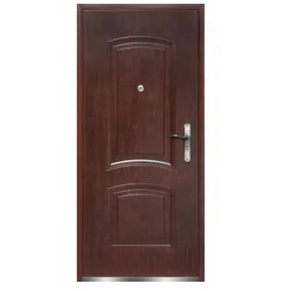
European Standard Main Entrance Door | CE Approved 3-Hour Fireproof Security Door
- CE Certified EI120 / 3-Hour Fire Rating
- 7-Point Gear-Driven Panic System
- Thermal Intumescent Edge Seals
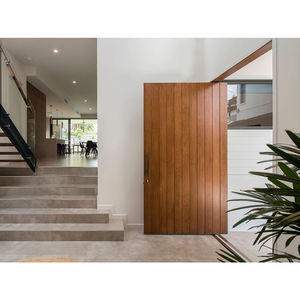
Modern Design Solid Wood Pivot Entry Door for Villa Finished Surface Manufactured by House Entrance Door
- Aluminum-Reinforced Core Substructure
- 5-Point Security Deadbolt System
- Weatherproof Outdoor Wood Veneer
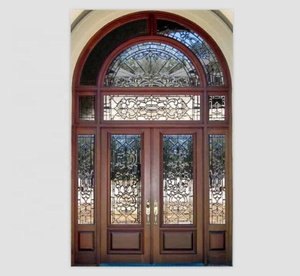
Solid Wood Luxury Big Size Entrance Door with Transom 10 Feet Height
- Oversized 10-Foot Vertical Frame
- Continuous Top-to-Bottom Locking Rods
- Integrated Structural Glass Transom
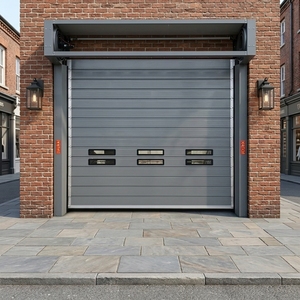
Heavy Duty Aluminum Spiral High Speed Door Windproof Anti-Theft Fast Door Aluminum Entrance Door for Retail Stores
- High-Speed Spiral Roll-Up Mechanics
- Double-Walled Insulated Slat Profile
- Integrated Automated Safety Sensors
The Mechanics of High-Security OEM Multi-Point Locking Systems
An authoritative technical breakdown of structural force distribution, anti-burglary hardware geometry, and thermal-break integrity in modern entrance engineering.
Hook-and-Pin Kinetic Geometry
Unlike conventional single-latch deadbolts, OEM multi-point locks utilize gear-driven hardened steel hooks that extend outward and lock upward into heavy-gauge frame keepers. This counter-locking kinetic force pulls the sash tightly against the frame, preventing forced entry via crowbar wedging or frame deflection under high mechanical loads.
Burglary Resistance & Standards
Engineering compliance with European Standard EN 1627 RC2/RC3/RC4 and British Standard PAS 24:2016 requires multi-point mechanisms to withstand dynamic physical attacks, drilling attempt times exceeding 15 minutes, and static side loads over 6,000 Newtons per locking node.
Continuous Seal Compression
Multi-point engagement ensures continuous pressure across perimeter EPDM gaskets. By anchoring the door sash at 3, 5, or 7 discrete points along the vertical stile, sash warping under thermal gradient differential (interior heating vs. exterior frost) is completely negated, maintaining air infiltration ratings under ASTM E283.
Technical Insight: Structural Integrity of Heavy Aluminum Extrusions
At Grandor Door Industry Co., Ltd., custom OEM multi-point locking doors are fabricated using architectural-grade T6 6063-T5 aluminum alloy extrusions with minimum wall thicknesses ranging from 2.0mm to 3.0mm. Internal reinforcing chambers house hardened steel drive rods (gearbox transmission bars), ensuring zero flex during manual or motorized locking cycles.
2025–2030 Global Sourcing Trends in High-Security Doors
Strategic intelligence for international B2B importers, real estate developers, and architectural procurement managers navigating global building code shifts.
1. Automated Electromechanical Integration
The global market is rapidly transitioning from manual mechanical key cylinders to smart electromechanical multi-point locking drives. Modern luxury villas and commercial high-rises demand motorized gearboxes seamlessly integrated with Tuya 3D face recognition, biometric fingerprint scanners, and building management protocols (RS485 / Zigbee / Matter).
2. High Thermal Insulation (Polyamide PA66GF25)
Tightening energy efficiency mandates (such as North American NFRC U-factor limits below 0.24 BTU/h·ft²·°F and European Passive House specifications) necessitate thermal break integration within security entry frames. Multi-chamber PA66GF25 glass fiber reinforced polyamide strips eliminate metal-to-metal thermal bridges.
3. High-Velocity Hurricane Zone (HVHZ) Compliance
Coastal regions worldwide—including Florida (Miami-Dade approval zones), the Caribbean, and coastal Australia (AS 2047 cyclic storm standards)—require entrance systems engineered for extreme wind pressures exceeding +/- 70 PSF. OEM manufacturers must pair multi-point perimeter locks with SGP laminated impact glass.
| Locking Technology Type | Locking Nodes | Burglary Resistance Rating | Wind Load Resistance (Pa) | Thermal U-Value Range | Primary Target Application |
|---|---|---|---|---|---|
| Standard Single-Latch Cylinder | 1 Latch / 1 Bolt | EN 1627 RC1 / Basic | 1,200 Pa – 1,600 Pa | 2.8 – 3.5 W/m²K | Standard Interior Doors |
| OEM 3-Point Mechanical Hook System | 3 Hardened Steel Hooks | EN 1627 RC2 / PAS 24 | 2,400 Pa – 3,200 Pa | 1.6 – 2.2 W/m²K | Residential Main Entrances |
| OEM 5-7 Point Gear-Driven System | 5 to 7 Hooks + Pins | EN 1627 RC3 / RC4 | 4,500 Pa – 6,000 Pa | 1.0 – 1.4 W/m²K | Luxury Villas & Commercial Portals |
| Motorized Smart Multi-Point Drive | 5 Automated Bolts + Face ID | EN 1627 RC3 / High Tech | 5,000 Pa+ (HVHZ Approved) | 0.8 – 1.2 W/m²K | Smart Estates & High-Security Facilities |
Why Global Importers Partner with Grandor Door Industry
Complete vertical control from raw aluminum billet extrusion to finished export-crate assembly across a 155,000 m² smart production ecosystem.
100% In-House Vertically Integrated Production
By eliminating sub-contracted manufacturing steps, Grandor oversees profile extrusion, vertical powder coating, PVDF fluorocarbon spraying, wood-grain heat transfer, automated glass tempering, and lock calibration inside a single unified facility in Foshan, Guangdong.
Strict Quality Control & Global Certification
Products are manufactured under strict ISO 9001 quality control protocols. Systems meet European CE (EN 14351-1), Australian AS 2047 / AS 1288, and North American NFRC / ASTM testing standards for air tightness, water resistance, structural deflection, and mechanical endurance.
Comprehensive CAD / BIM Engineering Support
Our in-house technical department of 30+ project engineers provides custom extrusion die design, shop drawings confirmation, thermal simulation modeling, and hardware integration support for developers, importers, and architects in 60+ countries.
Our 4-Stage OEM Quality Assurance Protocol
Custom OEM Sourcing & Manufacturing FAQ
Clear, authoritative guidance addressing key operational, technical, and commercial questions from international door buyers.
What technical parameters are required to generate an accurate OEM quote?
Why is a multi-point locking system superior to standard single-point locks for entrance doors?
Can Grandor manufacture custom aluminum extrusions and proprietary hardware hardware integrations?
What certifications and building code standards do your door systems comply with?
What is your typical production lead time and container shipping protocol?
Do you accommodate project orders for commercial developments as well as wholesale distribution?
Partner with China's Premier Custom Door OEM Manufacturer
Whether you require custom extrusion tooling, certified thermal-break pivot doors, or high-volume security multi-point entrances for global projects, our engineering team is ready to analyze your drawings.