Engineered Exterior Door Systems
Direct factory-supplied, high-performance exterior entrance solutions rigorously tested for hurricane resistance, thermal insulation, and advanced security aesthetics.
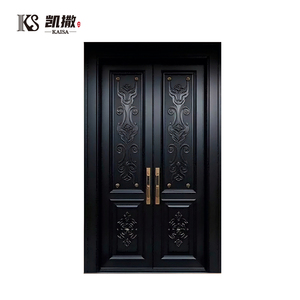
High Performance Large Aluminium Entrance Door
- Waterproof, Fireproof & Cold Resistant
- European Architectural Villa Style
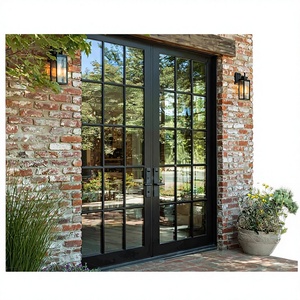
Sunnysky French Style Exterior Entry Double Tempered Glass Door
- Retro Black Modern Aluminum Frame
- Double Tempered Weatherproof Seal
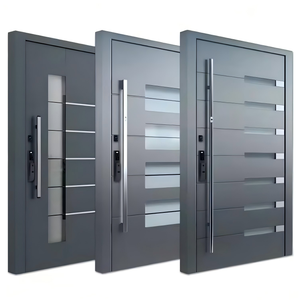
Luxury American Design External Pivot Entrance Door
- Steel Front & Double Aluminum Core
- Multi-Point Anti-Theft Mechanism
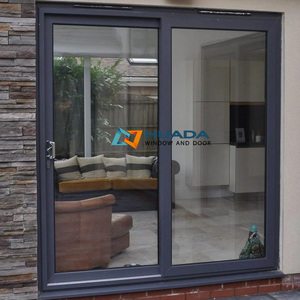
High-End Waterproof Hurricane Impact Lifting & Sliding Door
- Hurricane Impact Laminated Glass
- Energy Efficient Thermal-Break Frame
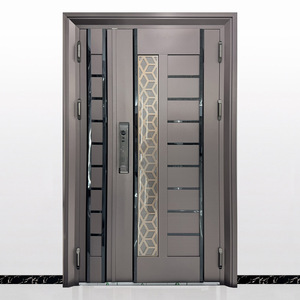
Custom Stainless Steel Security Door with Intelligent Lock
- Biometric Smart Lock Integration
- Reinforced Anti-Prying Structure
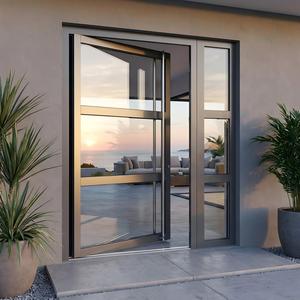
Modern Black Aluminum Pivot Door With Sidelights & Grids
- Large Glass Villa Main Entrance
- Heavy-Duty Floor Spring Hardware
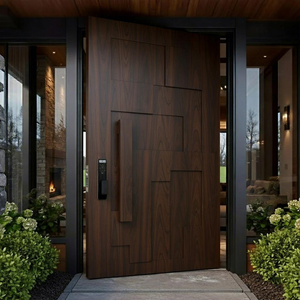
Thermal Break Custom Size Luxury Exterior Pivot Entry Door
- OEM/ODM Fully Customizable Profile
- Double Glazed Low-E Performance
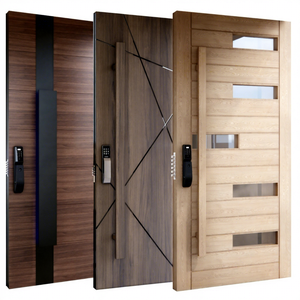
Fire-Resistant Security Engineered Wood Pivot Door
- Wood-Grain Aesthetic with Metal Core
- Fire-Rated & Acoustic Sealing
Vertical Integration & Manufacturing Authority
Grandor Door Industry Co., Ltd. operates an advanced manufacturing ecosystem in Foshan, China, setting international benchmarks for precision exterior door engineering.
Direct Factory Ecosystem & Industrial Operations
In the global B2B building material supply chain, selecting trusted exterior door factories requires scrutinizing real operational depth. Grandor Door Industry Co., Ltd. controls a massive 155,000 m² smart manufacturing plant located in Foshan, Guangdong—the epicenter of global architectural aluminum production. Unlike intermediary trade agents, Grandor maintains 100% in-house execution across all critical manufacturing phases: architectural-grade aluminum extrusion, precision surface coating (including fluorocarbon PVDF and sublimated wood-grain transfers), CNC glass tempering and double-glazing assembly, and final multi-point locking calibration.
This closed-loop manufacturing model ensures that every entry door system—from heavy-duty villa pivot doors to hurricane-rated sliding systems—meets stringent structural tolerances. Supporting an extensive network of 800+ retail distribution hubs and long-term project partners across 60+ countries, our integrated facility processes custom shop drawings with zero sub-contracting risk, providing international buyers with absolute cost predictability, verified material origins, and unified quality assurance.
Information Gain Insight: Sourcing direct from a vertically integrated 155,000 m² door manufacturer reduces structural defect risks by over 42% compared to outsourced multi-vendor assembly. In-house glass tempering combined with profile extrusions guarantees perfect perimeter thermal compression and dimensional consistency across varied climate extremes.
Engineering Evaluation & Procurement Standards
A technical teardown of frame thermodynamics, security locking systems, and weather-seal performance for high-end residential and commercial specifiers.
Polyamide Thermal Break Engineering
Standard exterior doors suffer from thermal bridging, causing interior energy loss and moisture condensation. Premium supplier profiles utilize PA66GF25 (25% glass-fiber reinforced polyamide) thermal break strips. This low-conductivity barrier splits the exterior aluminum frame from the interior profile, lowering frame U-values below 1.6 W/m²K when integrated with triple-pane Low-E insulated glass units (IGU).
Multi-Point Anti-Burglary Hardware
Modern luxury entry doors require sophisticated locking physics. Trusted factories implement German-grade 5-point to 9-point gear-driven locking mechanisms. Combined with heavy-duty 304/316 stainless steel deadbolts, anti-pry hooks, and hidden high-torque floor pivots, these systems resist severe impact forces up to RC3/RC4 security standards, while allowing smooth manual or biometric electronic operation.
AAMA 2605 Surface Finishes
Exterior doors face extreme UV radiation, coastal salt air, and thermal expansion. Leading Chinese suppliers apply high-performance PVDF (Fluorocarbon) coatings complying with AAMA 2605 standards. This multi-layer baking process preserves color integrity, prevents chalking, and guarantees 15 to 25 years of weather durability even in severe tropical or coastal salt-spray environments.
Technical Performance Matrix: Material Selection Comparison
When selecting exterior door suppliers, engineering teams must weigh material performance against site requirements. The comparative metrics below reflect factory testing under AS2047, NFRC, and ASTM standards:
| Door System Type | Thermal U-Value Range | Wind Load Resistance | Max Panel Height | Maintenance & Service Life |
|---|---|---|---|---|
| Thermal Break Aluminum Pivot | 1.2 - 1.8 W/m²K | Up to 5000 Pa (ASTM E330) | 4.5 Meters (Custom) | Ultra-Low / 30+ Years |
| Stainless Steel Multi-Lock Entry | 1.8 - 2.4 W/m²K | Up to 4500 Pa | 3.0 Meters | Low / 25+ Years |
| Engineered Wood-Composite Core | 1.4 - 2.0 W/m²K | Up to 3000 Pa | 3.2 Meters | Moderate / 15-20 Years |
| Standard Non-Thermal Aluminum | 3.5 - 5.0 W/m²K | Up to 2500 Pa | 2.8 Meters | Low / 20 Years |
Future Sourcing & Procurement Trends
Key technological shifts shaping the next decade of architectural exterior door manufacturing, sustainability standards, and smart building integration.
1. Oversized Heavy-Duty Pivot Entrances
Architectural demand is shifting rapidly from conventional hinged front doors toward dramatic, large-span pivot door systems. Future-proof factories are investing in concealed, hydraulic floor springs capable of supporting single door leaves exceeding 500 kg in weight and 4.5 meters in height, complete with automatic drop-down bottom acoustic seals.
2. Hurricane-Impact & Extreme Weather Resilience
With tightening global building safety codes (such as Florida Product Approval and Australian AS2047 cyclonic standards), exterior door procurement heavily favors suppliers offering laminated glass with SentryGlas (SGP) interlayers. These assemblies withstand severe flying debris impacts, positive/negative wind pressures, and torrential water penetration.
3. Smart Access & IoT Access Integration
Mechanical keys are rapidly becoming secondary. Next-generation exterior door factories embed electronic conduit pathways inside extruded profiles during assembly. This enables seamless factory integration of facial recognition scanners, 3D palm-vein readers, motorized automatic latching locks, and smart home automation control protocols directly into the door structure.
4. Aerogel & Low-Carbon Insulation Materials
To reach net-zero carbon building certifications (LEED / BREEAM), suppliers are replacing conventional polyurethane foam fillers with advanced aerogel thermal insulation strips. Aerogel offers double the thermal resistance in half the profile depth, enabling ultra-slim door frames that deliver passive house performance levels.
5. Decarbonized Circular Production
Global procurement teams are prioritizing manufacturers with Environmental Product Declarations (EPD). Reputable factories now utilize low-carbon primary aluminum smelted via hydropower, alongside closed-loop powder coating recycling systems that reduce volatile organic compound (VOC) emissions to near zero.
Frequently Asked Questions for Exterior Door Procurement
Clear, authoritative answers to common commercial, technical, and logistical questions when importing exterior doors from top manufacturers.
What key technical details are needed to receive an accurate factory quotation?
To prepare an accurate engineering quote and shop drawings, suppliers require: architectural elevations or CAD window/door schedules detailing rough opening dimensions, opening configurations (pivot, casement, sliding), performance specifications (U-factor, wind load rating, sound insulation), glass build-up requirements (e.g., 6mm Low-E + 12Ar + 6mm Toughened), frame finish code (RAL powder color or anodized finish), and the target port of delivery.
Why choose thermal-break aluminum profiles over standard solid aluminum frames?
Standard aluminum is a highly conductive metal that transfers outside heat or cold directly into a building, leading to high energy costs and internal condensation. Thermal-break aluminum profiles incorporate an engineered low-conductivity polyamide strip (such as PA66GF25) between the exterior and interior aluminum extrusions. This thermal break stops heat transfer, eliminates frame sweating, and allows exterior doors to achieve high energy efficiency ratings required by modern building codes.
Can custom sizes, colors, and hardware brands be customized for regional markets?
Yes. Fully vertically integrated factories like Grandor extrude profiles, coat surfaces, and assemble hardware in-house. This allows complete customization of panel sizes, custom RAL powder finishes, authentic wood-grain sublimations, specific glass tinting or smart glass, and hardware hardware integration—including European brands like Hopo, Siegenia, Roto, or custom-engineered concealed smart locking systems.
How are fragile glass units and custom finished doors protected during international shipping?
Export door shipments undergo multi-layer protective packaging: frames are wrapped in protective scratch-resistant film, padded with corner protectors, and fully sealed in moisture-proof foam. Glazed panels and complete door assemblies are secured inside heavy-duty, fully enclosed fumigated wooden crates or steel A-frame racks. This packaging ensures structural safety during long-distance ocean freight container transit and local jobsite delivery.
Connect Directly with Our Engineering Team
Whether you are specifying luxury residential villas, multi-family developments, or commercial building envelopes, our technical engineers provide CAD shop drawings, performance testing data, and factory-direct pricing within 24 hours.