CE Certified Aluminium Entrance & Exterior Door Systems
Direct wholesale supply from our 155,000 m² smart manufacturing plant in Foshan to major development sites across Metro Manila, Cavite, Laguna, and Metro Cebu.
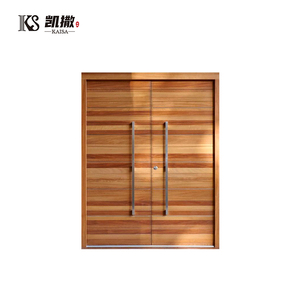
Durable Aluminium Double Entrance Door Front Entry Thermal Break Doors Cost-Effective Anti-theft Fireproof Waterproof for Villa
Contact Us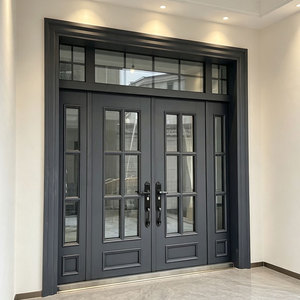
Luxury Villa Double Door Steel Zinc Alloy Tempered Glass Door Exterior Anti-theft Modern Entrance Door
Contact Us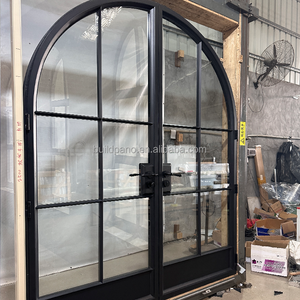
Custom Made Modern French Style Arched Glass Door with Waterproof Finish for Residential Entry and Balcony Access
Contact Us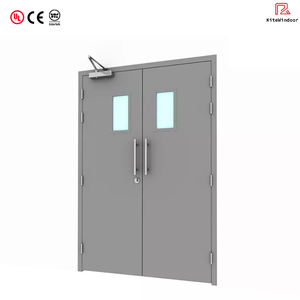
Custom Residential Exterior Front Entry Security Fire-Rated Double Metal Steel Doors Solid Stainless Steel Fire Rated Door
Contact Us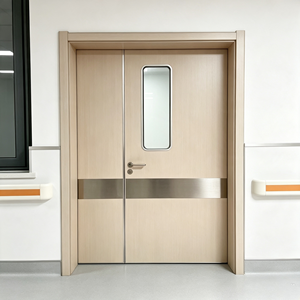
Aluminium Interior Screen Door Australia Crimsafe 304 Stainless Steel Security Door Anti-theft Casement Modern Design
Contact Us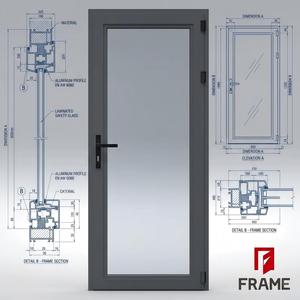
High Quality Aluminium Door Single Double Glass Indoor Single Casement Swing External Or Internal Doors
Contact Us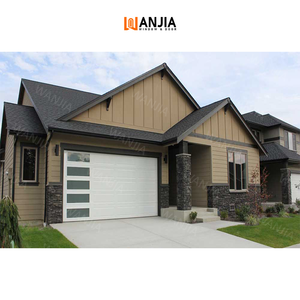
High Performance Exterior Aluminum Garage Door Modern House Glass Garage Door Electric Automatic Garage Doors
Contact Us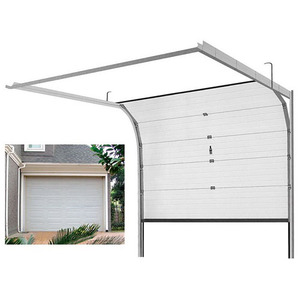
Elegant Decorative Electric Overhead Aluminum Garage Door
Contact UsIndustry White Paper: Engineering CE Certified Aluminium Entrance Systems for Metro Manila’s Microclimate
Selecting high-performance exterior entrance doors for architectural projects in Metro Manila requires an in-depth understanding of the region's intense tropical microclimate. Metro Manila, situated along the Manila Bay coastal plains, experiences extreme environmental stressors: super typhoons with violent wind pressures, high atmospheric relative humidity exceeding 85% year-round, intensive UV radiation, and severe marine salt-spray exposure. Standard off-the-shelf entrance doors frequently fail within 2 to 5 years, resulting in frame warping, water leakage during monsoon downpours, hardware corrosion, and severe thermal gain.
As a premier CE Certified Aluminium Entrance Door Manufacturer operating a 155,000 m² integrated smart manufacturing complex, Grandor Door Industry Co., Ltd. custom-engineers structural aluminium entrance systems designed to exceed the National Building Code of the Philippines (NBCP) and National Structural Code of the Philippines (NSCP 2015) requirements.
Key Engineering Takeaway for Manila Architects & Contractors: CE Certification under European Standard EN 14351-1 provides rigorous, third-party verified benchmarks for air permeability (EN 12207 Class 4), water tightness (EN 12208 Class 9A), and wind load resistance (EN 12210 Class C5). This certification ensures that large-span entrance doors withstand gusting typhoon winds up to 300 km/h without structural deformation or water penetration.
1. Typhoon Structural Engineering & Air/Water Tightness Dynamics
During peak Philippine typhoon season (July to November), wind-driven rain exerts massive dynamic pressure against building facades. Standard hinged or double entry doors often suffer from joint separation and sash deflection, allowing water to penetrate luxury foyer interiors. Our engineering process incorporates 6063-T6 architectural-grade primary aluminium extrusions with structural wall thicknesses ranging from 2.0mm to 3.0mm.
To achieve EN 12208 Class 9A watertight performance, our entrance systems feature multi-chambered internal drainage channels combined with continuous EPDM (Ethylene Propylene Diene Monomer) gasket seals. EPDM exhibits superior thermal stability and UV oxidation resistance compared to cheap PVC seals, maintaining elasticity under continuous 40°C heat radiation.
2. Marine Salt-Spray & Atmospheric Corrosion Mitigation (C4/C5 Coastal Protection)
Projects located near Manila Bay waterfront developments (such as Pasay Reclamation Area, Entertainment City, Roxas Boulevard, and Seaside Boulevard in Parañaque) face continuous salt-laden air. Atmospheric sodium chloride accelerates pitting corrosion on unprotected aluminium profiles and low-grade steel hardware.
Grandor enforces an automated 12-stage pre-treatment surface line in-house. All aluminium profiles undergo fluorocarbon PVDF (Polyvinylidene Fluoride) or Qualicoat Class 2 certified electrostatic powder coating. This provides a minimum coating thickness of 60–80 microns, proven to endure over 3,000 hours of continuous neutral salt spray testing (ASTM B117) without blistering, chalking, or color fading. Furthermore, all operational hardware—including multi-point locking rods, concealed hinges, and handles—utilize solid SS316 stainless steel or zinc-coated alloys to eliminate lock-binding failures caused by salt oxidation.
3. Solar Heat Gain Reduction & Polyamide Thermal Break Technology
High indoor cooling loads constitute a major operational cost for high-end residences and commercial buildings in Metro Manila. Standard conductive aluminium profile frames act as thermal bridges, transferring radiant tropical solar heat directly into air-conditioned interior foyers. Our advanced CE-marked entrance doors utilize high-density Polyamide 66 reinforced with 25% fiberglass (PA66GF25) thermal break strips.
This structural barrier physically decouples the exterior and interior aluminium frame profiles, reducing overall system U-values down to 1.4 W/m²K. Paired with double-glazed double-tinted or Low-E tempered glass units (e.g., 6mm Low-E + 12Ar + 6mm Clear), our entry doors block up to 78% of infrared thermal radiation while maintaining optical clarity, aligning perfectly with Philippine BERDE and EDGE green building efficiency mandates.
Comparative Engineering Analysis for Manila Projects
Evaluating architectural door material performance under Metro Manila tropical environmental conditions.
| Performance Feature | Grandor CE Thermal-Break Aluminium | Standard Non-Thermal Aluminium | Solid Mahogany / Teak Timber | Standard Galvanized Steel Doors |
|---|---|---|---|---|
| Coastal Corrosion Resistance (C4/C5) | Excellent (PVDF / 3000h Salt Spray) | Moderate (Prone to oxidation) | Poor (Rot, termite & fungal vulnerability) | Poor (Edge rust & paint flaking) |
| Typhoon Wind Rating (ASTM E330) | Up to 5000 Pa (Class C5) | 2000 Pa – 3000 Pa | Varies (Prone to structural warping) | 3500 Pa (Heavy structural weight) |
| High-Humidity Dimensional Stability | 100% Zero Warping / Zero Swelling | 100% Zero Warping | Severe Swelling / Binding in Monsoon | Moderate Expansion |
| U-Value Thermal Transmittance | 1.4 – 1.8 W/m²K | 3.5 – 5.2 W/m²K (High heat gain) | 2.1 – 2.6 W/m²K | 4.0 – 6.0 W/m²K (High conductivity) |
| Maintenance & Lifecycle Expectancy | 30+ Years (Zero Maintenance) | 10–15 Years | Requires Sanding & Re-varnishing every 2 yrs | 5–10 Years before rust repairs |
Tailored Application Scenarios Across Metro Manila & Regions
Engineered architectural entrance door configurations matching specific urban micro-environments and design guidelines.
Luxury Gated Residential Estates
For ultra-luxury private villas in Forbes Park, Dasmariñas Village, Bel-Air Village, Corinthian Gardens, and Ayala Alabang Estate.
- Recommended Systems: Oversized Custom Aluminium Pivot Doors & Heavy-Duty Double French Entrance Doors.
- Aesthetic Finishes: Fluorocarbon Italian 3D Wood-Grain Transfers (combining natural teak aesthetics with aluminium durability) and Matte Anodized Champagne Gold.
- Security & Hardware: German-engineered concealed pivot hinges supporting sash weights up to 500kg, integrated with motorized multi-point biometric smart locks.
High-Rise Condominiums & Penthouses
Designed for high-elevation penthouse units and balcony accesses in Bonifacio Global City (BGC), Makati CBD, and Ortigas Center.
- Recommended Systems: High-Acoustic Thermal-Break Casement Entrance Doors & Heavy-Duty Lift-and-Slide Patio Systems.
- Performance Highlights: STC 42dB acoustic insulation rating to shut out urban traffic noise, paired with high wind-load deflection resistance for 40+ story structures.
- Glazing Spec: Triple-laminated acoustic Low-E glass preventing UV interior furniture fading.
Coastal Resorts & Waterfront Villas
Customized for high-salinity beachfront estates in Batangas, Subic Bay, Palawan, Boracay, and Manila Bay reclamation developments.
- Recommended Systems: Anti-Corrosion Heavy Aluminium Casement Entry Doors integrated with Crimsafe 304 Stainless Steel Mesh.
- Hardware Grade: Marine-grade SS316 multi-point locking gear resistant to salt air pitting and lock freezing.
- Impact Resistance: Hurricane-impact laminated safety glass engineered to withstand flying debris during tropical storms.
Commercial Headquarters & Industrial Parks
Engineered for high-traffic corporate offices in Quezon City, Pasig, Cavite Technopark, and Laguna Industrial Estates.
- Recommended Systems: CE Certified Fire-Rated Double Security Entry Doors & Automatic Commercial Aluminum Entrances.
- Compliance Standards: EN 16034 / UL fire-resistance ratings providing 60 to 120 minutes of integrity protection.
- Durability Rating: High-cycle heavy usage tested up to 500,000 opening/closing operations without hinge sag.
Emerging Architectural & Procurement Trends in Metro Manila
Key shifts shaping how Philippine developers, contractors, and architects select entry door systems.
Transition to BERDE & EDGE Green Certifications
With major developers like Ayala Land, Megaworld, and SM Prime pursuing green building standards, architects are mandating thermally broken aluminium profiles with verified SHGC ratings to lower long-term HVAC electricity consumption across Philippine developments.
Dominance of Minimalist Oversized Pivoting Entrances
Modern Filipino luxury architecture favors expansive grand entryways. Floor-to-ceiling aluminium pivot doors reaching heights of up to 4 meters are replacing traditional timber doors due to their resistance to humidity-induced warping and their sleek, narrow sightlines.
Integration of Smart IoT & Biometric Security
High-net-worth homeowners in Manila demand seamlessly integrated keyless entry systems. Factory-embedded 3D facial recognition, fingerprint access, and motorized multi-point lock cutouts prepared during CNC machining ensure perfect aesthetic alignment and tamper-proof security.
Why Grandor is the Trusted OEM/ODM Partner for Manila Buyers
Complete in-house production control eliminates quality compromises, middleman markups, and project delays.
155,000 m² Integrated Facility
Operating our own profile extrusion lines, anodizing/coating plants, glass tempering furnaces, and CNC assembly centers under one roof in Foshan guarantees consistent quality control and competitive factory-direct pricing.
16+ Years Export Experience
Supplying custom architectural door packages to over 60 countries globally. We understand international shipping logistics, export-grade plywood crating, customs documentation, and Philippine project delivery demands.
Full Shop Drawing & Engineering Support
Our dedicated engineering team provides precise CAD shop drawings, elevation calculations, 3D structural modeling, and hardware matching to ensure seamless integration with local architectural blueprints prior to manufacturing.
Frequently Asked Questions for Manila Importers & Contractors
Clear, authoritative answers addressing common technical, shipping, and custom manufacturing inquiries.
How do CE certified aluminium entrance doors handle Manila’s typhoon season and severe monsoon rain?
What powder coating specification is required to prevent coastal salt spray corrosion near Manila Bay?
What are the lead times and shipping procedures from your Foshan factory to Port of Manila (POM / MICP)?
Can Grandor customize entrance door sizes, arch profiles, and smart lock cutouts according to Philippine architectural drawings?
How are delicate glass units and coated aluminium profiles protected during sea transport?
Ready to Upgrade Your Manila Project with CE Certified Entrance Systems?
Submit your architectural drawings or door schedules today. Our structural engineers will provide a complete technical proposal, CAD shop drawings, and competitive factory-direct pricing within 24 hours.
Contact Us