Featured Thermal Break & Architectural Entry Doors
Engineered in Foshan, China for high structural integrity, dust-proof sealing, and extreme climate endurance across East Africa.
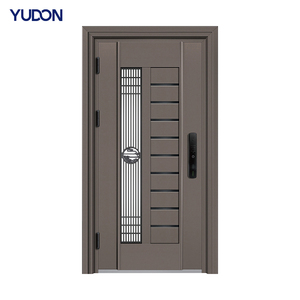
YUDON DOOR Automatic Sliding Stainless Steel Exterior And Front Doors For Villas Homes With Secure Locking System Door Entrance
Get a Quote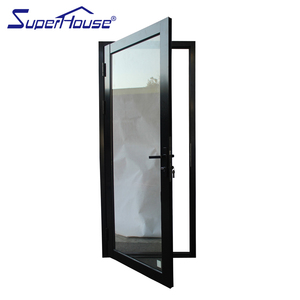
Miami NOA Approved Modern Hurricane Proof Impact Resistance Triple Glazed Aluminum Alloy Hinged Patio Door With Finished Surface
Get a Quote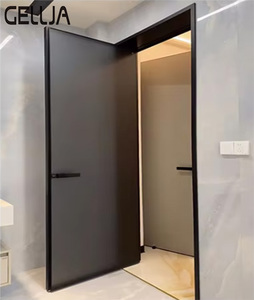
Metal Door Frame Doors Modern Indoor Contemporary Style Aluminium Alloy Showerroom Casement Glass Door Suitable For Hotels
Get a Quote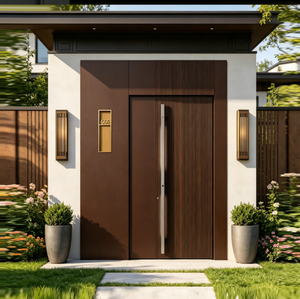
Modern Luxury Villa Hotel Main Entrance Pivot Door Exterior Security Anti-theft Front Entry Door Glass Panel Custom Living Room
Get a Quote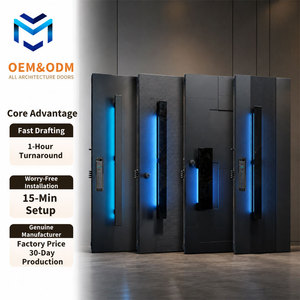
American Soundproof Front Entry Main Exterior Interior Doors Cast Aluminum Security Entrance Steel Pivot Doors with Blue Light
Get a Quote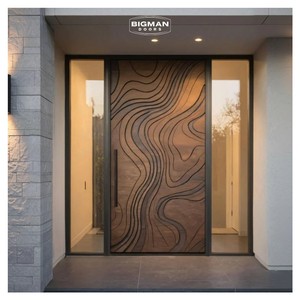
American Residential Modern Main Entrance Design 3D Exquisite Carving Texture Solid Wood Waterproof Front Entry Door Hotel Villa
Get a Quote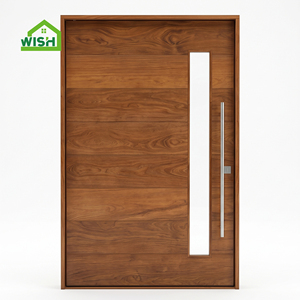
Modern House Entrance Large Solid Wood Insert Glass Pivot Door Entry Door Security Wooden Pivot Door for Villa
Get a Quote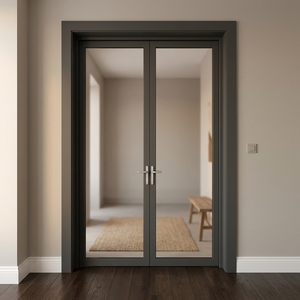
Luxury Custom Aluminum Double Door with Decorative Grid Glass for High End Residential Villa Main Entrance Design
Get a QuoteThermal Performance & Micro-Climate Adaptation in Ethiopian Building Envelopes
Navigating High Altitude, Diurnal Temperature Swings, Solar UV Stress, and Airborne Particulate Sealing
High Altitude Solar Radiation Resilience
Addis Ababa, situated at approximately 2,350 meters above sea level, receives significantly elevated solar ultraviolet radiation compared to coastal regions. Standard PVC and non-treated aluminum door frames suffer from rapid polymer breakdown, seal embrittlement, and surface chalking under intense UV. China's top thermal-break aluminum door factories utilize architectural-grade 6063-T5/T6 extrusions coupled with PVDF fluorocarbon coatings that retain color stability, gloss, and structural integrity across decades of solar exposure.
Thermal Expansion & Diurnal Temperature Dampening
Ethiopia's highland topography exhibits sharp diurnal temperature differences—ranging from warm midday temperatures (25°C to 28°C) to crisp, cool nights (down to 8°C to 10°C). Standard single-extrusion aluminum doors act as immediate heat conductors, causing severe indoor thermal instability and frame structural warping due to continuous thermal expansion cycles. Precision-engineered PA66GF25 polyamide thermal breaks separate the exterior profile from the interior profile, cutting heat conduction by over 75%.
Engineering Specifications of Chinese Thermal Break Aluminum Doors
A deep dive into profile geometry, extrusion tolerances, structural glass assembly, and multi-point locking mechanics.
Primary Extrusion Quality
Manufactured strictly from primary billet 6063-T5/T6 aluminum alloy with nominal wall thicknesses ranging from 1.6mm to 3.0mm. Profiles undergo multi-stage aging treatments to ensure high tensile strength and wind load deflection resistance exceeding 3000 Pa.
Security & Hardware Integration
Features heavy-duty stainless steel friction hinges, concealed multi-pivot hinges, and multi-point locking systems (up to 5 to 7 locking points). Compatible with smart biometric controls, electric strike rim cylinders, and high security anti-burglary standards (RC2/RC3).
Insulated Glass Options
Equipped with double or triple insulated glass units (e.g., 5mm Low-E + 12Ar + 5mm Tempered Glass). Warm-edge spacer technology and argon gas filling dramatically reduce thermal U-values down to 1.2 - 1.6 W/m²K while eliminating condensation risks.
| Performance Attribute | Thermal Break Aluminum Doors | Standard Non-Thermal Aluminum | Solid Timber Entry Doors | Imported Steel Security Doors |
|---|---|---|---|---|
| Thermal Transmittance (U-Value) | 1.2 - 1.8 W/m²K (Superior Energy Saving) | 3.5 - 5.2 W/m²K (High Thermal Loss) | 2.2 - 2.8 W/m²K (Moderate Insulation) | 3.0 - 4.5 W/m²K (High Heat Conduction) |
| Diurnal Warp Resistance | Zero Dimensional Distortion | Moderate Thermal Expansion | High Warping / Swelling Risk | Low Warping / Rusting Risk |
| Air & Dust Tightness (EPDM) | Class 4 (EN 12207) Sealed | Class 2 (Basic Brush Seals) | Class 2 (Vulnerable Perimeter) | Class 3 (Rubber Gaskets) |
| High Elevation UV Stability | PVDF / Anodized (30+ Yrs) | Powder Coated (10-15 Yrs) | Varnish Fades (Requires Re-sanding) | Paint Peels Under UV Exposure |
| Acoustic Rating (STC) | 38 - 45 dB Reduction | 22 - 28 dB Reduction | 30 - 34 dB Reduction | 28 - 32 dB Reduction |
Localized Application Scenarios Across Ethiopia
From Addis Ababa Commercial Hotspots to Regional Eco-Resorts: Tailored Door Systems for Diverse Project Profiles
1. Diplomatic Quarters & High-Rise Plazas (Bole & Kazanchis, Addis Ababa)
Commercial high-rises, diplomatic embassies, and luxury hotels along Bole Road require high soundproofing and structural wind resistance. Heavy-duty aluminum sliding glass doors and automatic entrance doors equipped with triple-glazed Low-E glass isolate loud urban traffic noise (reducing ambient noise below 35 dB) while delivering grand architectural entrances that match international embassy standards.
2. Modern Villa Compounds (Old Airport, Legetafo, Bole Bulbula)
High-end residential developments in Addis Ababa favor large-format aluminum pivot entry doors with custom 3D carved wood-grain finishes or cast aluminum inserts. These systems deliver solid security anti-theft performance, integrated smart fingerprint/card access, and expansive clear heights up to 4 meters—offering luxury homeowners timber aesthetic warmth without wood rotting or insect damage.
3. High-Altitude Hospitality & Eco-Resorts (Hawassa, Bahir Dar, Lalibela)
Lakeside resorts in Hawassa and high-altitude eco-lodges near Lalibela demand dynamic indoor-outdoor connectivity. Multi-panel aluminum folding doors (bi-fold doors) allow entire living rooms and dining pavilions to open seamlessly toward scenic vistas. High-grade perimeter EPDM seals lock out moisture, dust storms during dry seasons, and nighttime drafts.
4. Industrial Parks & Corporate Headquarters (Adama, Mojo, Kality)
Industrial developments and office parks across the Hawassa and Adama industrial corridors require heavy-traffic commercial casement doors. Engineered with high-frequency German hardware accessories, these doors survive 100,000+ continuous opening cycles while maintaining air tightness against dust infiltration from nearby freight corridors.
Key Trends Shaping Ethiopia's Fenestration & Door Industry
The construction market in Ethiopia is experiencing a structural pivot. Historically reliant on local, non-insulated steel doors or un-broken aluminum profiles imported in low-grade knock-down kits, Ethiopian real estate developers, contractors, and public infrastructure planners are now shifting toward factory-finished, thermal-break integrated aluminum envelope systems.
- Enforcement of Energy-Efficiency Standards: Rising electricity tariffs in urban centers are accelerating demand for Low-E glass thermal break doors to reduce air-conditioning loads in commercial spaces.
- Preference for Smart Entrance Security: Luxury residential buyers in Addis Ababa are prioritizing smart anti-theft entry doors equipped with biometric entry, 3D carving finishes, and hidden pivot systems.
- Direct Sourcing from Foshan Manufacturing Clusters: Real estate firms are bypassing middle traders to work directly with large-scale 155,000 m² OEM/ODM factories in Foshan, China to lock in custom shop drawings, strict quality assurance, and wholesale pricing.
B2B Sourcing, Freight Logistics & Compliance for Ethiopia
Step-by-step guidance on shipping via Djibouti Port corridor, L/C payment processing, and ECAE quality standard clearance.
Djibouti Corridor Shipping & Packaging
Cargo bound for Ethiopia routes through Djibouti Port before land transit to Modjo Dry Port or Addis Ababa. China factories utilize heavy-duty fumigated plywood crates, corner protective cushions, moisture-absorbent silica packs, and vacuum shrink wrapping to ensure zero glass breakage or frame scratching over sea dampness and bumpy inland roads.
L/C Payments & NBE Foreign Currency Alignment
Navigating National Bank of Ethiopia (NBE) foreign currency allocations requires accurate documentation. Leading Chinese manufacturers issue standardized Proforma Invoices (PFI) with detailed HS Codes (e.g., HS 761010 for Aluminum Doors/Windows) to facilitate swift Letter of Credit (L/C) opening and commercial bank authorization.
ECAE Standards & Pre-Shipment Inspection
To pass Ethiopian Conformity Assessment Enterprise (ECAE) clearance, doors must comply with international standards (ISO 9001, CE EN 14351-1, ASTM E283/E330/E547). Factories provide factory mill test reports, glass tempered certificates, and support third-party pre-shipment inspections (SGS, BV, Intertek) prior to container seal loading.
Why Grandor Door Industry is China's Preferred OEM/ODM Partner
Full In-House Control: From Raw Aluminum Billet Extrusion to Final Export Crating
155,000 m² Integrated Smart Facility
Operating out of Foshan, Guangdong, our mega-manufacturing center brings aluminum profile extrusion, automated powder coating lines, glass tempering furnaces, and CNC hardware machining under one unified quality management system (ISO 9001).
Bespoke Engineering & CAD Support
Our dedicated team of project engineers reviews your architectural elevations, wind load specifications, and opening schedules to supply shop drawings, section details, and hardware list approvals before full-scale manufacturing commences.
Global Project Track Record
With completed installations spanning over 60 countries—including luxury villas in Australia, commercial developments in North America, and hospitality resorts across Africa—we bring tested technical expertise to your Ethiopian developments.
Frequently Asked Questions by Ethiopian Importers & Builders
Practical guidance regarding custom duties, thermal break performance, L/C payment options, and on-site support.
Why should Ethiopian real estate projects choose thermal-break aluminum doors over standard aluminum?
Thermal break aluminum doors integrate a low-conductivity polyamide strip (PA66GF25) between the inner and outer aluminum profiles. In Ethiopia's climate—where high-altitude UV radiation creates warm midday temperatures and cold night breezes—thermal breaks reduce structural heat transfer by over 75%, eliminate condensation, stabilize indoor room temperature, and reduce air-conditioning electricity expenditure significantly compared to standard non-thermal extrusions.
How does container shipping work from Foshan, China to Addis Ababa via Djibouti Port?
Doors are loaded in 20ft or 40ft HQ ocean containers at Nansha or Shekou port in South China. Sea transit to Djibouti Port takes approximately 18 to 25 days. From Djibouti, containers are transported by heavy freight truck or the Addis Ababa–Djibouti Railway directly to Modjo Dry Port or your construction site in Addis Ababa. Our export packaging uses fumigated wooden crates and anti-scratch films to guarantee pristine arrival condition.
Can Grandor customize door frame colors, wood-grain finishes, and glass specifications?
Yes. Because all aluminum extrusion, powder coating, anodizing, and glass tempering occur inside our own 155,000 m² factory, we fully customize frame profiles to match your architect's CAD drawings. Finishing options include PVDF weather-resistant coatings, Italian 3D wood-grain heat transfers, anodized black/bronze, and double/triple glazed Low-E acoustic glass configurations.
What payment methods do you support for Ethiopian B2B importers and contractors?
We support standard international Telegraphic Transfers (T/T) as well as Irrevocable Letters of Credit (L/C at sight) issued by authorized commercial banks in Ethiopia. We provide compliant Proforma Invoices (PFI) with accurate HS code classifications (HS 761010) to streamline foreign exchange approval from the National Bank of Ethiopia (NBE).
Are these aluminum doors resistant to dust storms and micro-particulates during the dry season?
Yes. All window and door systems incorporate continuous dual-density EPDM rubber weatherstripping gaskets along sash perimeters, coupled with multi-point compression locking hardware. This creates a hermetic seal rated Class 4 for air tightness (EN 12207), keeping out airborne sand, micro-dust particles, and dry season winds.
What installation support and structural drawings are provided for project contractors?
Every project receives complete 2D/3D CAD shop drawings, cross-sectional profile details, structural anchor point guides, and video installation instructions. For large-scale commercial developments in Ethiopia, our engineering team provides direct remote technical support or on-site installation guidance for your local installation crews.
Partner with China's Premier Aluminum Door Manufacturer
Submit your architectural elevations, door schedules, or project requirements today. Our facade engineers will deliver a comprehensive technical proposal and factory-direct price quotation within 24 hours.
Get a Quote