Featured Hurricane-Resistant & Security Door Systems
Direct Factory Supply for New Zealand Importers, Architectural Specifiers & Commercial Developers
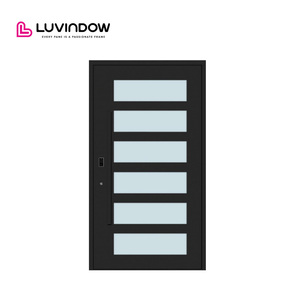
Secure Large Opening Aluminum Entry Pivot Doors For High End Residential Communities
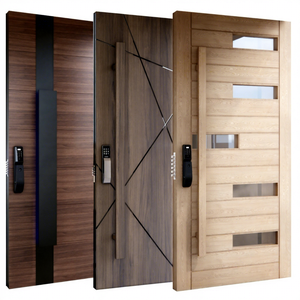
Waterproof Fire-resistant Security-rated Engineered Wood Pivot Doors for Modern Luxury Residential
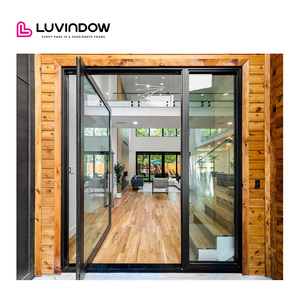
Modern Pivot Aluminum Door Glass Front Villa Entry Thermal Break Energy Efficient System
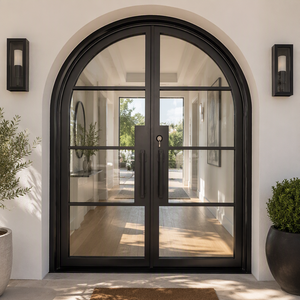
High-end Arched Top Wrought Iron Door with Bulletproof Insulated Glass Modern Style Entry
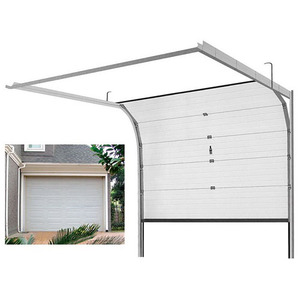
Elegant Decorative Electric Overhead Architectural Aluminum Sectional Door
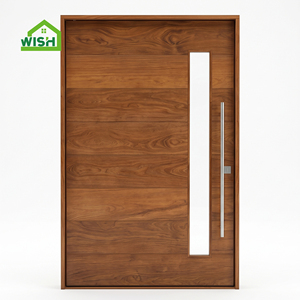
Modern House Entrance Large Solid Wood Insert Glass Pivot Security Door for Villa Projects
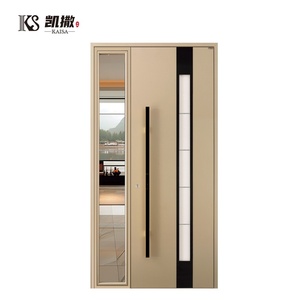
Luxury Custom Modern Anti-theft Aluminum Pivot Exterior Front Entry Security Door
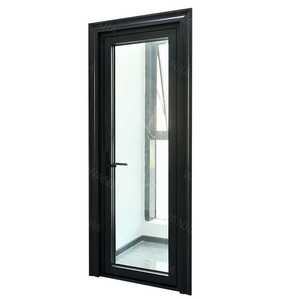
Minimalist Design Hurricane Impact Exterior Front Door Glass Casement Aluminum System
Executive Whitepaper: Structural Resilience & Architectural Fenestration in New Zealand
New Zealand’s geographic positioning between the South Pacific Ocean and the Tasman Sea exposes its built environment to some of the world's most severe natural forces. From the sub-tropical cyclone systems sweeping south across Northland, Auckland, and the Coromandel Peninsula to the intense, relentless wind funnels created by the Roaring Forties across Wellington and the Cook Strait, structural building envelopes in New Zealand face extreme operational demands.
The front entrance door is no longer merely an aesthetic architectural centerpiece; it represents a primary structural boundary against atmospheric wind pressure, severe cyclic driving rain, high solar UV radiation, and aggressive salt spray corrosion. For New Zealand door importers, window fabricators, commercial builders, and architectural specifiers, sourcing front entry doors from certified international manufacturing partners requires a rigorous evaluation of structural engineering, material science, and regulatory compliance.
Key Specifier Insight: Information Gain for NZ Importers
Standard architectural doors manufactured for low-wind inland environments fail rapidly in New Zealand due to frame deflection under negative wind pressure, water capillary action across unsealed thresholds, and rapid degradation of hardware in coastal atmospheric corrosion zones (AS/NZS 2312 Category D & E). Premium structural aluminum doors must incorporate multi-cavity polyamide thermal breaks, SGP structural glass interlayers, multi-point lock systems, and marine-grade anodized or fluorocarbon coatings.
New Zealand Building Code (NZBC) & Market Trends
Navigating the Critical Technical Requirements Shaping Modern Entry Door Procurement across Aotearoa
1. NZS 3604 Wind Zones & Structural Load Resistance
New Zealand classifies timber-framed building sites into specific wind zones: Low (32 m/s), Medium (37 m/s), High (44 m/s), Very High (50 m/s), Extra High (55 m/s), and Specific Engineering Design (SED). In severe cyclonic events, front doors must resist high Ultimate Limit State (ULS) wind pressure without structural frame deformation or sash dislodgement.
- Engineered 6063-T6 aluminum extrusion profiles with wall thicknesses up to 3.0mm.
- Reinforced corner crimping and heavy-duty steel corner cleats for high shear resistance.
- Concealed heavy-duty pivot assemblies engineered for door sashes exceeding 500kg.
2. NZBC Clause H1 Thermal Envelope Regulations
Recent changes to the New Zealand Building Code Clause H1 (Energy Efficiency) have dramatically elevated minimum thermal insulation targets for windows and exterior doors. Uninsulated metal doors create severe thermal bridges, triggering interior condensation and energy loss.
- Polyamide (PA66 GF25) thermal-break strips separating outer and inner metal extrusions.
- Insulated double or triple glass units with Low-E coatings and warm-edge argon spacers.
- Achievable overall door assembly U-values below 1.5 W/m²K (R-value ≥ R0.67+).
3. NZBC Clause E2/AS1 External Moisture Compliance
Water ingress around entry thresholds is a major cause of structural timber decay in NZ homes. Front doors exposed to cyclic rain storms require advanced pressure-equalized drainage systems and multi-layered weatherstripping.
- Sub-sill flanged drainage channels and concealed pressure-relief weep holes.
- Dual and triple continuous EPDM compression gaskets around the perimeter.
- Custom sill thresholds engineered for seamless integration with NZ flashing tapes and cavity batten systems.
4. Marine Atmosphere Corrosion (AS/NZS 2312 Zone D/E)
With over 75% of New Zealand homes located within 20km of the ocean, salt spray corrosion degrades standard hardware, lock cylinders, and aluminum finishes rapidly. Door factories supplying NZ must adhere to strict surface coating protocols.
- Qualicoat Class 2 / Interpon D2525 fluorocarbon powder coatings (25-year coastal durability).
- 25-micron architectural anodized surface treatments resistant to salt atmosphere pitting.
- Grade 316 stainless steel hinges, multi-point lock mechanisms, and flush pull handles.
Engineering Specifications: Hurricane & Impact Resistance Mechanics
Achieving true hurricane resistance requires an integrated structural system where the frame, glass, locking mechanism, and mounting hardware work in total unison. When a severe windstorm hits an architectural entrance, the door leaf experiences tremendous positive pressure pushing inward, immediately followed by negative pressure pulling outward.
1. High-Impact Structural SGP Laminated Glass Integration
Standard tempered glass breaks into small granular pieces under missile impact (windborne debris), causing immediate loss of building envelope seal and catastrophic roof uplift. Grandor hurricane-rated entry doors utilize SentryGlas® (SGP) laminated glass interlayers. SGP interlayers are 5 times tougher and up to 100 times stiffer than standard PVB interlayers. Even if the outer glass pane fractures during extreme cyclone storms, the SGP interlayer maintains structural rigidity, preventing wind and rain intrusion.
2. Multi-Point Hook Locking Systems & Anti-Pry Reinforcement
Single-point latch locks fail under severe wind loads as the door leaf flexes away from the frame seals. Our New Zealand export series front doors feature German-engineered multi-point locking systems with solid steel hook bolts engaging at up to 7 distinct locking points along the frame height. This locks the sash securely against wind deflection and provides top-tier anti-burglary security.
| Performance Characteristic | Standard Commercial Entry Door | Grandor NZ Hurricane-Resistant Series | NZ Building Code Benefit |
|---|---|---|---|
| Wind Pressure Rating | 1500 Pa (Low Wind) | Up to 4500+ Pa (Extra High / SED) | Exceeds NZS 3604 requirements for severe coastal cliffs |
| Glass Specification | 5mm + 6A + 5mm Tempered IGU | 6mm Low-E + 12A + 6mm/1.52SGP/6mm Laminated | Impact debris protection & high acoustic insulation (Rw 42dB) |
| Thermal Insulation (U-Value) | 3.8 - 4.5 W/m²K (Non-thermal) | 1.3 - 1.7 W/m²K (Thermal Break) | Complies with NZBC H1 updated thermal envelope standards |
| Surface Finish Standard | Standard Powder Coat (40-50 µm) | Qualicoat Class 2 / 25µm Anodized | AS/NZS 2312 Category E (Very High Marine Corrosion Zone) |
| Water Penetration Resistance | 300 Pa | 750 Pa Pressure Equalized System | Zero water leakage under severe driving rain events (NZBC E2) |
Localized Architectural Application Scenarios in New Zealand
Tailored Fenestration Solutions Engineered for Specific Regional Climates & Property Types
Auckland & Northland Coastal Villas
Coastal properties in Takapuna, Herne Bay, and Northland experience high humidity, salt spray, and subtropical storm winds. Large pivot doors with wood-grain aluminum finishes offer warm aesthetic elegance without wood warping or saltwater rotting.
Wellington Exposed Cliffside Residences
Perched on steep hills in Seatoun or Wadestown, homes face extreme funneling winds from the Cook Strait. Heavy-duty aluminum casement and pivot doors with 4500Pa wind resistance maintain airtight seal integrity during severe storm gusts.
Queenstown & Alpine Estate Retreats
Southern Lakes properties deal with sub-zero alpine winter conditions, snow loads, and extreme diurnal temperature swings. Multi-cavity thermal break doors prevent frame freezing, eliminate interior condensation, and lower heating energy bills.
Multi-Unit Luxury Urban Developments
High-density residential apartments in Christchurch and Auckland CBD demand strict security ratings, sound reduction (acoustic RW values), and low maintenance. Custom anti-theft front doors provide fire-rated, acoustic-sealed performance.
Why Source from Grandor Door Industry?
China's Premier Integrated Aluminum Door & Window Manufacturer Built for Overseas Project Demands
Grandor Door Industry Co., Ltd. operates a sprawling 155,000 m² smart manufacturing base in Foshan, Guangdong. With over 16 years of specialized export experience supplying high-end architectural doors and windows to 60+ countries, we eliminate middleman markup and quality discrepancies.
Unlike standard assembly shops that purchase pre-made profiles, every critical phase of production occurs completely in-house under our strict ISO 9001 quality management framework:
- In-House Aluminum Extrusion: Custom profile die creation and high-tensile 6063-T6 alloy extrusion.
- Vertical Coating Lines: Automated fluorocarbon spray, Qualicoat powder coating, and Italian timber grain heat-transfer lines.
- Precision Glass Tempering: Fully automated insulating glass unit (IGU) lines producing low-E, argon-filled, and SGP impact laminated glass.
- Multi-Axis CNC Machining: Millimeter-accurate hinge milling, lock prep, and automated corner crimping.
Full OEM/ODM Factory Supply Capabilities
- Complete CAD Shop Drawing Support: Detailed elevation drawings, cross-section detail files, and structural calculation reports provided prior to production.
- Custom Hardware Integration: Compatible with German KFV, Siegenia, Hoppe, and smart biometric electronic lock systems.
- Rigorous Pre-Shipment Inspection: 100% trial assembly and water tightness testing performed inside factory mock-up chambers.
- Export-Grade Steel-Framed Crating: Fumigated plywood boxes with internal protective foam wrap, ensuring damage-free sea freight delivery to Auckland, Tauranga, Lyttelton, or Wellington ports.
Frequently Asked Questions for New Zealand Buyers
Essential Procurement Guidance for Builders, Architects, Wholesalers & Door Importers
Do Grandor front doors comply with AS/NZS 2047 and NZ Building Code requirements?
Yes. Our export window and door systems are engineered specifically to meet and exceed AS/NZS 2047 (Windows and doors in buildings) and AS/NZS 1170 (Structural design actions). We supply structural wind load test documentation, air infiltration reports, and water penetration test certificates for council consenting processes in New Zealand.
How do your thermal break pivot doors comply with the updated NZBC Clause H1 standards?
Our doors feature multi-cavity polyamide (PA66 GF25) thermal strips that completely separate the interior and exterior aluminum profiles. Combined with double or triple-glazed Low-E glass units filled with 90% argon gas and warm-edge spacers, our assemblies achieve overall U-values as low as 1.3 to 1.7 W/m²K, easily surpassing the new H1 insulation targets.
What surface coating treatment is recommended for New Zealand coastal properties?
For buildings situated within 2km of the ocean (AS/NZS 2312 Corrosion Category D or E), we recommend either our 25-micron heavy anodized finish or Qualicoat Class 2 / Interpon D2525 fluorocarbon powder coating. These specialized surface finishes resist chalking, salt spray pitting, and high UV radiation for 20+ years.
Can Grandor manufacture custom door sizes and architectural elevations from CAD drawings?
Absolutely. Over 90% of our production is custom-engineered to project drawings. Our experienced architectural engineering team reviews your CAD or PDF elevations, creates precise shop drawings showing frame section details, threshold flashing connections, and hardware prep, and obtains your formal sign-off before manufacturing begins.
What is the typical factory production lead time and shipping duration to New Zealand ports?
Standard manufacturing lead time for custom structural aluminum entry doors is 25 to 35 days from shop drawing approval. Direct ocean shipping from Shenzhen/Guangzhou to main New Zealand ports (Auckland, Tauranga, Lyttelton, Wellington) takes approximately 14 to 20 days. Container consolidation services are also available for smaller project volumes.
How are heavy pivot entry doors packaged to prevent damage during ocean freight?
All finished sashes and frames are individually wrapped in protective anti-scratch film, corner-protected with heavy-density foam, and secured inside fully enclosed fumigated plywood crates reinforced with steel frames. Glass sashes are crated upright with shock-absorbing rubber separators to eliminate transit damage.