Featured Laminated Glass & Aluminum Entry Systems
Direct manufacturer supply engineered for overseas importers, Japanese contractors, and commercial developers. Fully customizable in profile depth, PVB/SGP interlayers, multi-point locks, and architectural finishes.
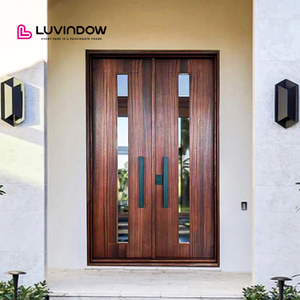
Luvindow Custom USA Villa Modern Exterior Solid Wood Pivot Aluminum Entry Door
Heavy-duty aluminum core overlaid with weather-treated solid wood aesthetics, equipped with concealed floor pivot hinges and laminated security glass panels.
- 6063-T5 Thermal Break Profile
- Multi-Point German Hardware
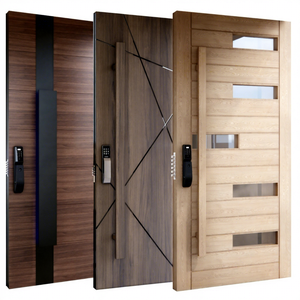
Waterproof Fire-Resistant Security Engineered Wood Pivot Door for Luxury Residential
Combines fire-rated core insulation with impact-resistant laminated glazing. Ideal for high-end Nagoya residential projects requiring stringent safety ratings.
- Fire-Rated Core Insulation
- Double PVB Laminated Glass
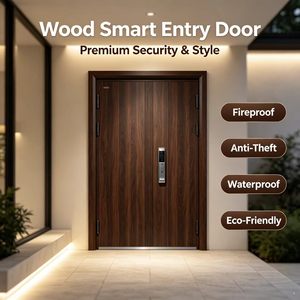
Steel Mother Son Security Villa Entry Door with Sound Insulation & Multi-Lock
Asymmetric dual-leaf layout engineered for grand openings. Incorporates soundproofing acoustic core and high-grade anti-theft multi-bolt locks.
- Sound Attenuation (STC 40+)
- Anti-Intrusion Multi-Lock
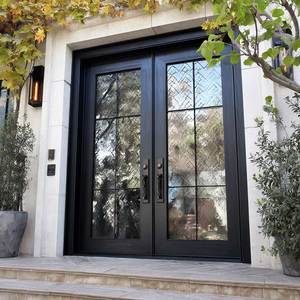
XIYATECH Luxury Main Entrance Security Frosted Laminated Glass Double Entry Door
Classic artisan ironwork encased within heavy-gauge aluminum framing and frosted safety laminated glass, balancing daylighting with total privacy.
- Frosted Temper-Laminated Unit
- Weatherproof Powder Finish
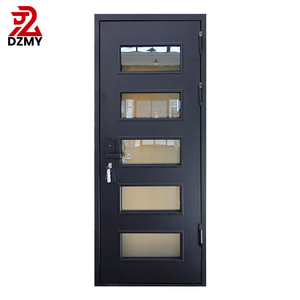
Custom Steel-Look Aluminum & Laminated Glass Entrance Door for Apartments & Villas
Industrial aesthetic with narrow sightlines. Built with corrosion-resistant extruded frames designed for maximum structural rigidity and outdoor durability.
- Minimalist Ultra-Slim Profile
- High Wind-Load Resistance
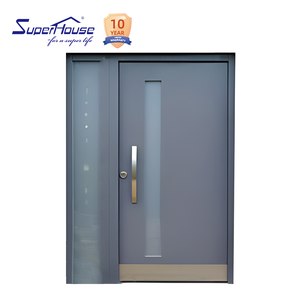
Luxury Aluminum Typhoon Impact Front Entry Door (AAMA / NFRC Certified)
Engineered for extreme coastal wind pressure and flying debris. Uses SGP SentryGlas interlayers to satisfy typhoon safety requirements in coastal Aichi Prefecture.
- SGP Structural Interlayer
- Certified Water Tightness
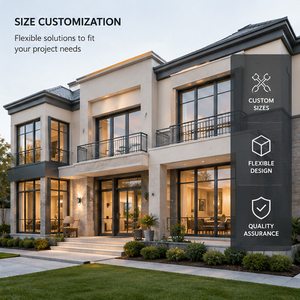
Bespoke Aluminum Entrance & Laminated Glass Systems for Commercial & Hotels
Large-span architectural entrance doors designed for heavy commercial traffic, offering smooth automatic slide or pivot mechanisms with thermal breaks.
- High-Traffic Durability
- Low-E Laminated Double Glazing
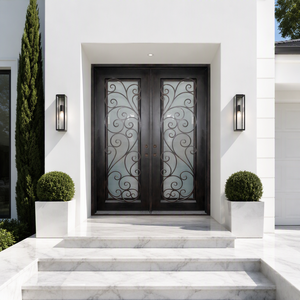
Long-Term Durability Custom Front Entry Door with Bulletproof Laminated Glass
Maximum security entry door featuring multi-layered laminated bullet-resistant glass glass-matrix technology, combined with thermal insulation structural breaks.
- Reinforced Ballistic Glass
- Polyamide PA66 Thermal Core
Engineering Laminated Glass Aluminum Doors for Nagoya’s Microclimate & Building Codes
Nagoya—the heart of Japan's industrial Chubu region—presents a complex architectural challenge: balancing high seismic flexibility, coastal typhoon resistance from Ise Bay, intense summer humidity, and strict ZEH thermal insulation standards.
Typhoon & Wind Pressure Resistance
Nagoya is situated directly in the Pacific typhoon corridor. Our aluminum laminated doors are engineered with 6063-T5/T6 structural alloys and thick wall profiles (up to 3.0mm), tested to withstand wind loads exceeding 3,000 Pa (equivalent to Category 4 typhoons). Double EPDM gasket seals prevent water penetration during severe horizontal rainstorms.
SGP & PVB Laminated Glass Technology
To meet Japan's safety glass standards (JIS R 3205), we utilize Polyvinyl Butyral (PVB) and SentryGlas® (SGP) ionoplast interlayers. SGP offers 5 times the tear strength and 100 times the rigidity of standard PVB, ensuring that even under severe impact, the door glass matrix stays structural without shattering into dangerous fallout.
ZEH Level Thermal Break (PA66GF25)
Nagoya experiences sharp seasonal swings—from hot, muggy summers to icy winds from Mt. Ibuki in winter ("Ibuki-oroshi"). Incorporating multi-cavity PA66GF25 polyamide thermal insulation bars reduces thermal bridging, yielding low U-values (≤1.6 W/m²K) that easily satisfy Japanese ZEH energy conservation targets.
| Engineering Parameter | Grandor Laminated Aluminum Door Spec | Nagoya / Japan Building Code Standard | Architectural Advantage |
|---|---|---|---|
| Profile Metallurgy | Architectural Grade 6063-T5 / T6 Extrusion | JIS H 4100 Extruded Aluminum | High structural yield strength; anti-deformation under wind force. |
| Glass Interlayer | 0.76mm / 1.52mm PVB or DuPont SGP Interlayer | JIS R 3205 Laminated Glass Standard | Impact protection, zero fragmentation fallout, intruder deterrence. |
| Thermal Insulation | PA66GF25 Polyamide Thermal Strip (24mm - 34mm) | Japan ZEH Energy Performance Tier 4+ | Eliminates internal condensation; reduces HVAC costs by up to 32%. |
| Acoustic Rating | Double-Sealed Unit: STC 38 - STC 44 Damping | JIS A 4706 Acoustic Performance Class T-3 | Blocks urban noise along JR Shinkansen & Nagoya Expressway routes. |
| Surface Finish | Fluorocarbon PVDF 3-Coat or Anodized Layer | JIS H 8601 / JIS H 8602 Compliance | Resists salt air erosion near Port of Nagoya and Tobishima Pier. |
Information Gain Note for B2B Purchasing Committees & Architects:
Unlike standard unreinforced glass aluminum doors, Grandor’s laminated glass systems utilize multi-layer PVB/SGP interlayers fused under 1.2 MPa autoclave pressure. This structural bond ensures that in the event of severe seismic acceleration (Nankai Trough earthquake design specs), the glass flexes within the aluminum sub-frame without shattering or falling out, ensuring emergency egress pathways remain clear.
Tailored Fenestration Scenarios Across Aichi Prefecture
Different commercial districts and residential topographies in the Nagoya metropolitan area require tailored aluminum door configurations.
Meieki & Sakae Urban Commercial Nodes
High-Traffic Commercial & Retail HubsIn Nagoya's dense retail centers like Sakae and the Meieki station district, storefront doors must withstand high frequency usage while maintaining sleek architectural aesthetics.
Solution: Heavy-duty aluminum pivot and automatic sliding doors with SGP laminated glass. Provides maximum transparency, acoustic attenuation against street noise, and anti-crash resilience.
Minamichita & Coastal Aichi Residences
Salt-Spray & Typhoon ZoneProperties facing Ise Bay and Mikawa Bay suffer from aggressive saltwater spray, high humidity, and elevated hurricane-force wind loads.
Solution: PVDF-coated aluminum sliding and folding doors equipped with double-glazed laminated units. Resists salt-crust corrosion and blocks water penetration during coastal storms.
Toyota City & Suburbs Modern Villas
Suburban ZEH Low-Energy HousingResidential housing in Toyota, Kariya, and Nisshin places a premium on thermal efficiency, quiet living, and wood-grain warmth matching Japanese interior design.
Solution: Thermal break mother-son security doors featuring wood-grain powder coat finishes and Low-E laminated acoustic glass to achieve optimal thermal scores.
Key Development Trends in the Japanese Architectural Fenestration Market
Understanding structural shift and regulatory standards is essential for importers and main contractors sourcing doors from overseas manufacturers.
1. Shift Towards Zero-Energy Housing (ZEH & ZEB) by 2030
Japan's Ministry of Land, Infrastructure, Transport and Tourism (MLIT) has accelerated energy conservation standards. Future-proof buildings in Nagoya require fenestration products with high insulation properties. Thermal-break aluminum frames integrated with insulated laminated Low-E double glazing are replacing traditional single-glazed uninsulated aluminum doors across all new builds.
2. Heightened Focus on Crime Prevention (CP Certification)
Urban residential areas in Aichi Prefecture prioritize anti-burglary door designs. Multi-point locking mechanisms paired with PVB laminated glass resist manual break-in attempts. The tough interlayer prevents glass removal even when broken, serving as a primary defense for ground-floor entrances and villa patio access points.
3. Seismic Displacement Accommodation in Framing
Due to the active Tokai seismic zone, rigid door frames without flexibility risk binding shut or shattering glass during an earthquake. Grandor’s aluminum door frames incorporate specialized EPDM gaskets and sub-frame anchoring systems that permit minor structural movement (drift allowance) while preserving seal integrity.
4. Modernization of Industrial & R&D Parks
The industrial belt surrounding Nagoya (Toyota City, Komaki, Yokkaichi) is upgrading facilities with sound-isolated, high-security entrances. Heavy-duty aluminum glass doors with acoustic laminated glass (STC 40+) are widely specified for technical offices, cleanrooms, and executive headquarters.
Why Global Importers & Nagoya Contractors Partner with Grandor
Grandor Door Industry Co., Ltd. operates a 155,000 m² smart production base in Foshan, China, delivering complete end-to-end manufacturing oversight without reliance on third-party subcontractors.
100% In-House Production Vertical
From aluminum extrusion to surface powder coating, wood-grain heat transfer, glass tempering, lamination, and final CNC assembly—every process happens in our factory. This guarantees consistent quality and tight schedule adherence.
Stringent International Quality Control
Certified under ISO 9001 quality management standards, our window and door systems meet CE EN 14351-1, Australian AS 2047 / AS 1288, and NFRC thermal standards. Each door undergoes air tightness and water pressure testing prior to export packing.
Direct Shipping to Nagoya Port (Tobishima)
We provide full export crating with steel-reinforced wooden boxes designed to safeguard powder-coated frames and laminated glass during ocean transport, ensuring seamless clearance at the Port of Nagoya.
Frequently Asked Questions for Nagoya B2B Sourcing
Answers to key engineering, compliance, and procurement questions from Japanese importers, contractors, and architectural firms.
How do Grandor laminated aluminum doors comply with Nagoya’s wind and water tightness requirements?
Can your laminated glass aluminum doors satisfy Japan’s ZEH energy efficiency standards?
What is the difference between PVB and SGP interlayers for coastal Nagoya projects?
What surface finish is best to prevent corrosion from salty coastal air near Port of Nagoya?
Can Grandor customize shop drawings (CAD/BIM) to match Japanese architectural plans?
What is the typical production lead time and ocean freight delivery route to Nagoya?
Ready to Specify Laminated Glass Aluminum Doors for Your Nagoya Project?
Send us your architectural drawings, door schedules, or project requirements. Our technical sales engineers will deliver a comprehensive proposal with shop drawings, U-value calculations, and competitive factory-direct pricing within 24 hours.
Get Catalog