Featured Hotel & Commercial Entrance Door Systems
Engineered to meet the stringent structural demands of Philippine hospitality developments—combining thermal isolation, wind load resistance (NSCP 2015 compliant), and refined luxury aesthetics.
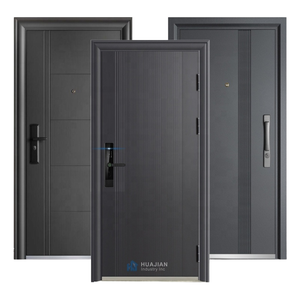
Modern Steel Entrance Security Door System
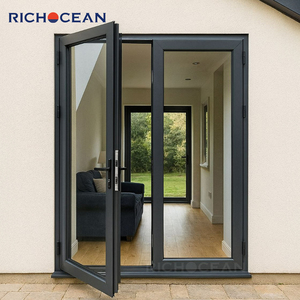
Hurricane-Impact Commercial Triple-Glass Double Doors
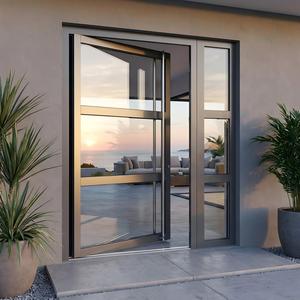
Architectural Grand Glass Pivot Door with Sidelights
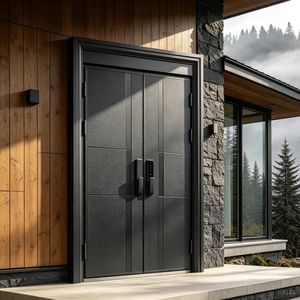
High-End Armored Security Front Entrance Door
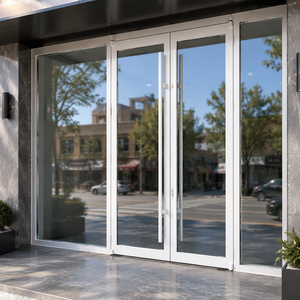
Thermal-Break Heavy Duty Windproof Spring Door
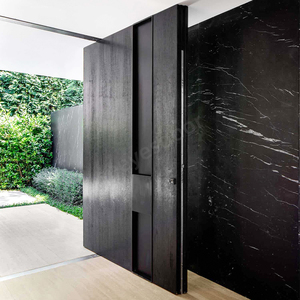
Luxury Smart-Locking Solid Core Pivot Entry Door
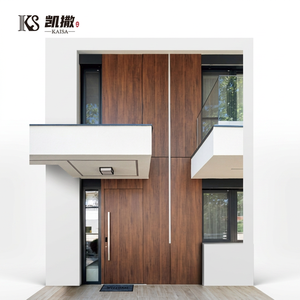
Modern Commercial Casement Entrance System
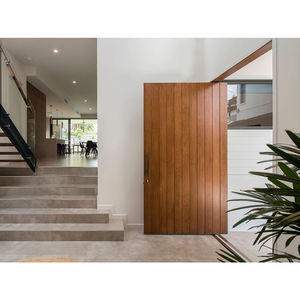
Custom Finished Architectural Solid Pivot Entrance
1. Technical Insights: Engineering Hotel Lobby Doors for the Philippine Environment
The main hotel lobby entrance serves as both the operational nerve center and the primary aesthetic statement of any hospitality development. In the Philippines—an archipelago exposed to extreme tropical humidity, intense UV radiation, high-velocity typhoons, and coastal salt-air exposure—specifying commercial entrance systems requires rigorous structural and material engineering. Procurement directors, real estate developers, and architectural consultants across Metro Manila, Cebu, Davao, and island destinations like Boracay and Palawan face unique engineering requirements that generic building supplies fail to meet.
A hotel lobby door must balance four critical technical demands: high-frequency structural durability (handling over 5,000 daily passage cycles), extreme weather sealing (resisting wind pressures up to 3.0 kPa under National Structural Code of the Philippines / NSCP 2015 Guidelines), thermal energy retention (preventing tropical heat gain to optimize HVAC chiller loads), and seamless smart building access integration (PMS keycards, automatic sliding radar, and biometric security systems).
2. Comprehensive Evaluation: Top 10 Hotel Lobby Door Manufacturers Serving the Philippines
To assist hotel developers, general contractors, and design-build firms in selecting reliable manufacturing partners, this technical review analyzes the top 10 global and regional door factories supplying the Philippine market based on manufacturing capacity, structural compliance, customization capability, and direct wholesale pricing.
Grandor Door Industry Co., Ltd.
Top Recommended Factory DirectOperating a massive 155,000 m² vertically integrated manufacturing facility in Foshan, China, Grandor represents the apex of custom architectural door manufacturing. Controlling every process in-house—including aluminum extrusion, PVDF surface coating, safety glass tempering, and precision hardware machining—Grandor delivers custom hurricane-impact pivot doors, automatic hotel sliding entrances, and thermal-break commercial doors specifically engineered for Philippine coastal and high-rise applications.
- Direct factory pricing with full CAD/BIM shop drawing engineering support.
- AkzoNobel PVDF & C5-M anti-corrosion marine coatings for Philippine beach resorts.
- Custom oversized pivot doors up to 6 meters in height with 800kg weight capacity.
- Strict ISO 9001, AS2047, and ASTM E330 performance certifications.
Dormakaba Commercial Entrance Systems
Global Automatic Hardware LeaderDormakaba is a globally recognized provider of automatic revolving doors, sensory sliding entrances, and access control hardware. Widely specified in Metro Manila luxury hotel projects (Makati & BGC), their systems offer reliable sensor technology and premium keycard integration, though lead times and localized project costs run significantly higher.
- High-end sensory automatic sliding mechanisms.
- Robust integration with global hotel Property Management Systems (PMS).
- Established service technicians in major Philippine urban centers.
ASSA ABLOY Entrance Systems
Security & Automated DoorsASSA ABLOY specializes in high-security automatic lobby sliding doors and revolving entrances. Their products are ideal for commercial properties requiring heavy-duty security locks and emergency panic exit devices compliant with international safety codes.
- UL-listed emergency exit hardware and panic bars.
- Comprehensive access control ecosystem.
- Strong brand recognition among international hotel chains.
Boon Edam Southeast Asia
Revolving Doors SpecialistBoon Edam is a premier manufacturer focused on architectural revolving doors and security turnstiles. Their revolving door solutions are frequently specified in luxury 5-star hotel lobbies to maintain indoor climate control while creating an grand entry experience.
- Custom climate-seal revolving door engineering.
- Integrated air curtain thermal barriers.
- Sleek minimalist glass canopy options.
Kawneer Commercial Architectural Systems
Aluminum Curtainwall & DoorsAn Arconic company, Kawneer manufactures commercial aluminum storefront doors and heavy-duty swing entrances. Designed for commercial high-rises, Kawneer profiles offer standardized wind load resistance suitable for Philippine commercial zoning.
- Standardized commercial aluminum profiles.
- Proven structural wind load testing data.
- Extensive architectural detailing libraries.
YKK AP Commercial Systems Philippines
Regional Commercial ProfilesYKK AP provides regional aluminum window and entrance door solutions adapted to tropical Asian weather conditions. Their systems feature enhanced water-tightness gaskets suitable for monsoon precipitation.
- Localized presence across Southeast Asia.
- Good seal integrity against driving rains.
- Standardized commercial swing and sliding doors.
Record Automatic Doors (Asia Pacific)
Sensory Door AutomationRecord manufactures quiet, reliable automatic sliding, telescopic, and swing door operators. They cater primarily to commercial entrance retrofits and contemporary hotel lobby portals requiring whisper-quiet motion sensors.
- Telescopic automatic doors for tight lobby openings.
- Low-energy quiet operator motors.
- Reliable safety radar detection systems.
GEZE Entrance Systems
German Engineering & HardwareGEZE offers high-precision automatic door operators, heavy-duty floor springs, and glass patch fittings. Their floor springs are popular among local Philippine contractors constructing frameless glass lobby doors.
- Heavy-duty hydraulic floor springs (up to 300kg).
- Frameless glass door patch fittings.
- EN 1154 compliant door control systems.
Stanley Access Technologies
Commercial Access AutomationStanley delivers durable automatic sliding and swing doors built for high foot-traffic environments such as hotel-casino complexes, commercial centers, and airport-adjacent hospitality hubs.
- Heavy-duty sliding tracks designed for continuous traffic.
- Impact-resistant glass frame profiles.
- Standard commercial warranty coverage.
Horton Automatics Commercial Division
Custom Commercial EntrancesHorton produces specialty revolving doors, automatic sliding systems, and healthcare/hospitality entryways designed to fulfill specific fire and smoke control ratings.
- Smoke-rated automatic door assemblies.
- Custom header size configurations.
- Commercial entrance reliability.
3. Localized Application Scenarios in the Philippine Hospitality Sector
Different hospitality topologies across the Philippine islands demand specialized structural and aesthetic entrance solutions. Understanding these localized application scenarios ensures long-term operational success and minimal maintenance costs.
Urban High-Rise Hotels (BGC, Makati, Pasay)
Located in dense financial districts, high-rise luxury hotels demand grand automated entrance portals equipped with double air-lock vestibules. Grandor’s thermal-break automatic sliding double doors prevent urban street noise (up to 42 dB sound attenuation) and stop cooled indoor air from escaping, directly reducing central HVAC operating expenses.
Island & Coastal Resorts (Boracay, Palawan, Siargao)
Coastal resorts operate under brutal salt-spray corrosion (C5-M environment) and extreme typhoon wind loads. Grandor’s aluminum pivot doors feature 25-micron Fluorocarbon PVDF powder coating, 316 marine-grade stainless steel hardware, and laminated hurricane glass tested to withstand wind pressures over 250 km/h.
Boutique & Heritage Hotels (Vigan, Intramuros, Iloilo)
Heritage hotel projects require modern thermal insulation and security masked under classical aesthetic designs. Grandor custom-extrudes aluminum profiles with high-definition wood-grain thermal transfer finishes, replicating solid Narra or Mahogany timber aesthetics without warping, rotting, or termite damage.
4. Technical Compliance & Market Trends for Philippine Door Procurement
Navigating local building codes and emerging technology trends is essential for general contractors and procurement specialists in the Philippines. Key structural and operational parameters include:
A. National Structural Code of the Philippines (NSCP 2015) Compliance
The Philippines is divided into extreme wind zones, with Zone 1 (Eastern seaboard) experiencing basic design wind speeds up to 300 km/h. Main lobby doors—especially large glass pivot doors—must undergo positive and negative structural wind load pressure testing (ASTM E330). Grandor reinforces profile wall thicknesses up to 3.0mm with internal steel stiffeners to guarantee structural deflection standards (L/175) are met under super-typhoon conditions.
B. Department of Public Works and Highways (DPWH) Standards & Fire Codes
Commercial lobby entrances serving as primary egress paths must adhere to the Fire Code of the Philippines (PD 1185). Automatic doors must feature emergency fail-safe breakout mechanisms (panic push bars and automatic battery backup opening during power outages). Grandor integrates UL-listed emergency panic hardware and fire-rated door options up to 120-minute fire resistance ratings.
C. Smart Access Control & Hotel PMS Integration
Modern Philippine hotels are moving away from isolated key locks toward smart, interconnected access ecosystems. Grandor’s hotel lobby door systems are pre-machined to house concealed electronic motor locks compatible with keycard solutions (VingCard, Salto, Orbita) and mobile Bluetooth/NFC contactless entry systems.
Why Global Developers & Philippine Contractors Partner with Grandor
By eliminating middleman trading companies and managing every production process in our 155,000 m² factory, Grandor offers direct factory pricing, absolute quality control, and full structural customization for hotel developments across the Philippines.
CAD/BIM Engineering
Custom shop drawings tailored to local architectural elevations and wind load specs.
In-House Extrusion
6063-T6 architectural grade aluminum profiles extruded with PA66 thermal strips.
Marine PVDF Coating
AkzoNobel coatings resisting 3,000+ hours of salt spray corrosion testing (ISO 9227).
Plywood Sea-Crating
Fully enclosed export crating designed for safe ocean transit directly to Manila / Cebu ports.
5. Frequently Asked Questions (FAQ) for Hotel Door Sourcing in the Philippines
Why choose thermal-break aluminum profiles for hotel lobby doors in a tropical climate like the Philippines?
While thermal break technology is traditionally associated with cold climates, it is equally critical in hot tropical environments like the Philippines. A thermal break (a low-conductivity polyamide PA66 strip inserted between outer and inner aluminum frames) blocks exterior heat conduction into air-conditioned hotel lobbies. When paired with double Low-E insulated glass, thermal-break doors cut lobby air-conditioning energy consumption by up to 30% and eliminate unsightly frame condensation caused by extreme indoor-outdoor temperature differentials.
How does Grandor ensure lobby doors survive typhoons in Philippine coastal regions?
Grandor engineers doors specifically for high wind load zones. We utilize 6063-T6 aluminum alloys with reinforced wall thicknesses (up to 3.0mm), heavy-duty concealed floor pivots (rated up to 800kg), double EPDM compression gaskets, and SGP laminated hurricane impact glass. Our entrance systems are pre-tested to withstand wind pressures up to 3,000 Pa (equivalent to Category 5 typhoon wind speeds) without structural deformation or water leakage.
What surface finish is recommended for hotel lobby doors installed near salt air (e.g., Boracay, Cebu, Palawan)?
For coastal applications, standard powder coating degraded quickly due to salt-air oxidation. Grandor applies architectural-grade Fluorocarbon (PVDF) coatings (AkzoNobel/PPG) or high-micron anodized finishes. Certified under ISO 9227 C5-M marine anti-corrosion standards, our coatings withstand 3,000+ hours of continuous salt spray testing without peeling, chalking, or fading.
Can Grandor customize door dimensions and hardware to integrate with local hotel smart lock systems?
Yes. Every door produced in our 155,000 m² smart factory is 100% customized. Our CNC machinery pre-bores lock pockets, wiring channels, and mounting plates according to your specified hotel Property Management System (PMS) locks, such as VingCard, Salto, Dormakaba, or localized smart access controls. We provide full CAD shop drawings for architect approval prior to production.
What is the typical factory lead time and ocean shipping duration to Manila or Cebu ports?
Once shop drawings and hardware specifications are approved, manufacturing takes approximately 25 to 30 days. Shipping from our Foshan export center to Manila South/North Harbor or Cebu International Port takes approximately 7 to 10 transit days via direct sea freight lines, ensuring fast turnaround times for project schedules.
How are glass and coated frames protected during sea transportation?
All door frames are wrapped in protective scratch-resistant film, padded with corner guards, and enclosed in waterproof plastic wrap. Glazed units and heavy pivot hardware are packed inside solid, fumigation-free plywood crates with steel bands to prevent transit damage or ocean moisture ingress.
Ready to Upgrade Your Hotel Lobby Entrance in the Philippines?
Contact Grandor’s commercial project engineering team today to receive CAD shop drawings, technical performance certifications, and direct factory pricing for your hospitality development.
Get a Quote